



Cars have changed a lot over the past few decades. Once upon a time, you drove a car out of the dealership and that was that.
But modern cars are increasingly computers on wheels, able to connect to the internet, receive over-the-air updates and communicate with their manufacturer.
That brings plenty of benefits for drivers. But it also raises a question: how much control does the manufacturer still have over your car after you buy it?
Your car can already be controlled remotely
According to the Australian Cyber Security Centre (ACSC), most new vehicles sold in Australia now include internet-connected technology, and that isn't limited to EVs. Petrol and diesel cars can also have connected features that allow the vehicle to communicate with both its owner and manufacturer.
As an owner, you might be able to lock the doors, adjust the temperature, locate the car or manage charging remotely. The manufacturer, meanwhile, controls the software and connected services that make those functions possible.
Manufacturers can also send software updates directly to vehicles, fixing bugs, improving security, addressing faults or adding new features without a trip to the dealership.
For owners, that's generally a good thing. But it also means the manufacturer retains some control over your car long after it leaves the showroom.
Most people find out what that means slowly. A feature appears overnight. A subscription lapses. An app stops working. Occasionally, something larger happens.
Earlier this year, Tesla demonstrated just how far that control can extend when it remotely disabled hacked Full Self-Driving functionality in more than 100,000 vehicles after detecting unauthorised hardware being used to bypass regional restrictions.
While the owners were accessing functionality they were not authorised to use, the incident still shows the reach manufacturers can have over connected cars.
So, could a carmaker actually stop you driving?
Remote immobilisation is already used in rental, fleet and vehicle finance systems, where aftermarket GPS trackers and telematics units can be installed to locate a car and prevent it from restarting once it has been switched off.
Many connected cars now have telematics built in from the factory, allowing them to send information such as location and vehicle status over a mobile network. That gives some manufacturers the technical capability to remotely restrict certain vehicle functions, but it doesn't mean a carmaker can simply switch off a connected car whenever it chooses.
While there’s no single Australian law that specifically sets out when a carmaker can remotely restrict a privately owned vehicle, manufacturers still have to operate within existing safety, consumer and privacy laws.
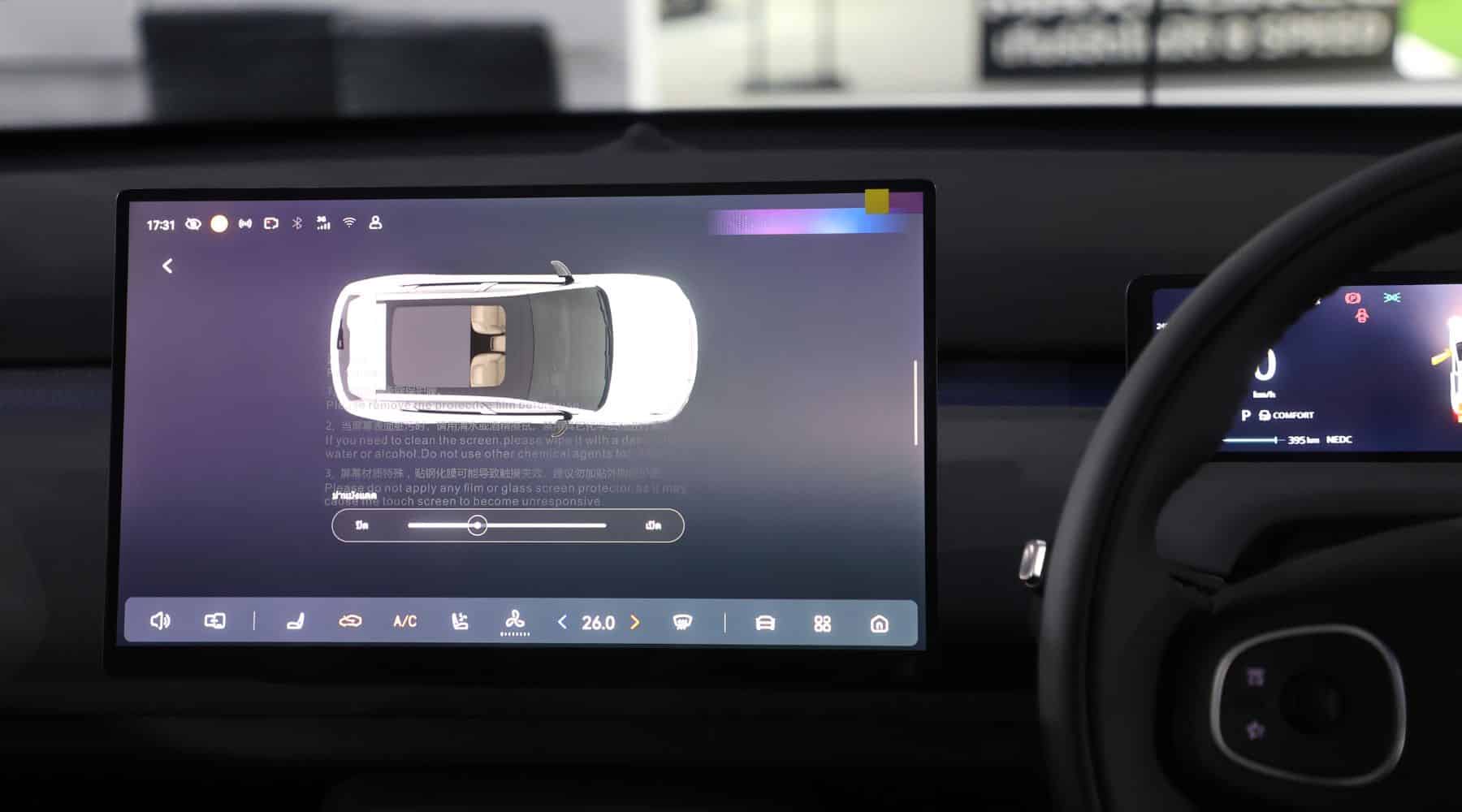
The bigger risk may be someone else taking control
For most drivers, their carmaker suddenly deciding to switch off their vehicle probably isn't the biggest connected-car risk.
The same technology that allows a manufacturer to communicate with your car can also create new ways for hackers to get in.
In 2024, security researchers found vulnerabilities in Kia's connected systems that could have allowed someone using only a vehicle's licence plate number to locate the car, unlock it and start it remotely. The flaw was fixed before it was known to have been exploited maliciously, but it showed what can happen when there is a weakness in a connected-car system.
Connected vehicles bring together everything from mobile apps and cloud services to cameras, infotainment systems and vehicle controls. The more systems that are connected, the more potential entry points there are if something goes wrong.
There is also a lot more information at stake. Connected vehicles can collect your location and navigation history, driving behaviour, audio and video from inside and outside the car, and data from connected phones such as contacts, call logs and messages.
Some of that information may be sent back to the manufacturer or stored overseas, raising another question for owners: who can access it once it leaves the car?
Chinese EVs in the spotlight
These concerns are getting more attention as Chinese brands take a much bigger share of the Australian car market. In July 2026, BYD deliveries were up 70.5% year on year, Chery rose 46.6% and MG increased 42.4%, while newer brands such as Geely, Omoda Jaecoo and Zeekr are also growing quickly.
That rapid growth has put greater focus on where connected-car data is stored, who can access it and whether foreign governments could potentially gain access under their own laws.
But this isn't only a Chinese EV issue. Connected cars from manufacturers around the world collect data and rely on software, cloud services and remote access. The underlying risk comes with connectivity itself, not simply where the brand comes from.
Australia is still playing catch-up
With connected-car cybersecurity becoming a bigger concern, attention is also turning to whether Australia's vehicle standards are keeping pace.
The European Union, United Kingdom, Japan and South Korea have already adopted UN Regulations 155 and 156, which require manufacturers to manage vehicle cybersecurity risks and ensure software updates are delivered securely.
Australia has not yet made these standards a general requirement across all new vehicles. With more vehicles collecting data, receiving remote updates and communicating with manufacturers, that gap is likely to attract greater scrutiny.
Australians are already cautious about giving cars more control
While Australians are buying EVs in record numbers, there are signs they aren't automatically embracing every new form of driving technology.
Savvy's 2026 EV Sentiments Survey found that 63% of Australians were uncomfortable with or doubtful about autonomous driving, up from 47% in 2023.
The survey was specifically about autonomous driving, rather than manufacturer control, but it does point to a broader hesitation around handing more responsibility for driving over to technology. As cars become increasingly software-defined, that question is likely to become more important.