



Used car loan interest rates
As of October 2026, the best used car loan interest rates available through Savvy’s lending partners are:
| Lender | Two-year-old car loan interest rate from | Two-year-old car loan comparison rate from | Five-year-old car loan interest rate from | Five-year-old car loan comparison rate from |
|---|---|---|---|---|
| Bank of Queensland | 6.95% p.a. | 8.21% p.a. | 6.95% p.a. | 8.21% p.a. |
| Alex Bank | 6.99% p.a. | 7.77% p.a. | 7.99% p.a. | 8.41% p.a. |
| Branded Financial Services | 6.99% p.a. | 8.44% p.a. | 6.99% p.a. | 8.44% p.a. |
| Firstmac | 7.34% p.a. | 8.61% p.a. | 7.49% p.a. | 8.76% p.a. |
| Metro | 7.39% p.a. | 8.46% p.a. | 8.29% p.a. | 9.56% p.a. |
| Automotive Financial Services | 7.60% p.a. | 9.35% p.a. | 8.00% p.a. | 9.75% p.a. |
| Pepper | 7.64% p.a. | 8.98% p.a. | 7.64% p.a. | 8.98% p.a. |
| Liberty | 7.69% p.a. | 9.24% p.a. | 8.49% p.a. | 10.04% p.a. |
| MoneyMe | 7.90% p.a. | 9.56% p.a. | 7.90% p.a. | 9.56% p.a. |
| Azora | 7.99% p.a. | 10.03% p.a. | 7.99% p.a. | 10.03% p.a. |
| Calculations based on a two-year-old and five-year-old used car purchased from a dealership with a $30,000, five-year car loan, with the applicant being a homeowner. Interest rates listed are the minimum available for this select profile. The rates available to you may be different to these. | ||||
How do used car loans work?
Used car finance works like any other car loan: a lender provides you with the funds to purchase the vehicle and you repay the amount (plus interest) in regular instalments over an agreed term, typically between one and seven years.
The car itself usually serves as security on the loan, which means the lender can repossess it if you default on repayments. Because the loan is secured against a used vehicle, lenders may apply different interest rates or stricter age limits compared to a new car loan.
What used cars can I finance?
Most lenders will finance a used car purchased through one of the following channels:
- Private sales: buying from a private seller, typically through a listing on a platform like carsales or Facebook Marketplace, is often the most affordable way to purchase a used car. However, you'll need to do your own due diligence since there's no dealer warranty to fall back on.
- Dealerships: purchasing through a licensed dealership gives you access to protections like statutory warranties and sometimes more transparent repair histories, making it a lower-risk option that lenders generally look upon favourably. The trade-off is that dealership prices tend to be higher than private sales, as there’s less room for negotiation.
- Auctions: car auctions can throw up genuine bargains, but they come with added complexity when it comes to the buying process. You'll have limited opportunity to inspect the vehicle beforehand, while winning at an auction is final, so you’re tied to the purchase regardless of whether your lender approves the loan.
- Demo cars: demonstrator vehicles are like-new cars that are used by dealerships for test drives, usually with low kilometres. They're often sold at a discount compared to new car prices and are generally straightforward to finance.
Buying a used car: dealership vs private seller
| Dealership | Private seller | |
|---|---|---|
| Car price | Usually higher | Usually lower |
| Room for negotiation | Lesser | Greater |
| Warranty | Yes | No |
| Commissions | Yes | No |
| Vehicle history checks | Usually done by dealer, but may still be required | Always required |
| Vehicle transfer paperwork | Handled by dealer rep | Handled by you and seller |
| Trade-ins accepted | Yes | No |
Is there an age limit for used vehicles purchased with a car loan?
Yes, most lenders have an age cap on the vehicles they'll finance, typically ranging from ten to 20 years old at the end of the loan term. Older vehicles can be harder to finance and may attract higher interest rates, as they're considered a riskier asset for the lender to secure the loan against.
However, Savvy works with lenders who can finance vehicles without an age limit, so even if you've got your eye on an older model that most other lenders won’t help you out with, there may still be options available to you.
How much can I borrow for a used car?
Most lenders will let you borrow anywhere from $5,000 up to 100% of the vehicle’s value, or more if you’re bundling on-road costs like car insurance and registration into your loan. However, the sum you can actually borrow ultimately comes down to the value of your vehicle, as well as your lender’s determination of your borrowing power. The factors that can come into play here include:
- Your income and job stability
- Your credit score
- Your history repaying similar loans
- Whether you own your home
- Whether you’re applying on your own or with your partner
The average used car loan taken out by Savvy customers in the 2025-26 financial year was $33,257, with an average interest rate of 13.43% p.a. for borrowers with good credit. The average and median used car model year was 2018 across this period.
How much will my used car loan cost?
Several factors influence what you'll actually pay for your used car loan, including:
- Interest rate: the higher your rate, the more you’ll pay in interest overall. As mentioned, rates are higher on average for used car loans than new, but applicants with strong profiles can still qualify for highly competitive rates.
- Fees: most lenders charge an establishment fee and an ongoing monthly fee for the life of the loan. However, not all will include either or both in their loan agreements.
- Loan term: a longer term lowers your monthly repayments but increases the total interest you'll pay over the life of the loan. A one-year term produces the lowest interest but the highest monthly payments, while the reverse is true for a seven-year loan.
- Loan amount: the more you borrow, the more interest you'll accrue at the same rate and term. For example, you’d pay $6,069 in interest on a $30,000, five-year loan at 7.50% p.a., but a $40,000 loan on the same terms would set you back $8,091.
- Deposit: putting down a deposit reduces the amount you need to finance, which in turn reduces your total interest. However, deposits aren’t mandatory on car loans.
Even a small difference in interest rate can add up over the life of your loan. We've taken a look at four example lenders to see how minor differences in rate can impact your repayments:
| Loan amount | Loan term | Interest rate | Monthly repayment | Total interest | |
|---|---|---|---|---|---|
| Lender A | $25,000 | 5 years | 6.50% p.a. | $490 | $4,350 |
| Lender B | $25,000 | 5 years | 6.75% p.a. | $493 | $4,526 |
| Lender C | $25,000 | 5 years | 7.00% p.a. | $495 | $4,701 |
| Lender D | $25,000 | 5 years | 7.25% p.a. | $498 | $4,879 |
| Calculations are for illustrative purposes only. | |||||
In the above example, a difference of just 0.75% p.a. between Lenders A and C adds up to more than $530 in interest. That's why it's so important to compare rates before you formally apply, which your Savvy broker will do for you when you go through the process with us.

The hidden cost trap with used car loans
"Because older cars are more likely to break down or depreciate rapidly, rates tend to be higher. This can create a hidden cost trap. That “bargain” older car might seem affordable upfront, but higher interest over the loan term can add thousands to the total cost. That’s why you should always factor financing costs into your vehicle selection. Sometimes, paying more for a newer car with better financing terms results in lower overall costs."
New car loan vs used car loan: which is better?
When choosing between a new and used car, the right option for you depends on your budget, vehicle preferences and your financial situation. Here's a quick breakdown of how the two compare.
Used car loan
Pros
-
Lower purchase price
Used cars cost less upfront, which generally means a smaller loan, lower repayments and less interest paid overall. If you're buying privately, there's also usually more wiggle room on the price.
-
Slower depreciation
A used car has already absorbed the steepest portion of its depreciation, so its value holds more steadily over your loan term.
Cons
-
Higher interest rates
Lenders view used vehicles as a higher-risk security, which can mean a higher rate compared to a new car loan. Differences in rates often aren't significant, though.
-
More due diligence required
Depending on where you buy, you may have limited visibility over who's previously owned the vehicle, how it was driven and whether it's been in any accidents.
New car loan
Pros
-
More certainty over vehicle history
When you buy a new car, you won’t have to worry about your car’s previous owners and repairs history, as you’ll be the first one to get behind the wheel.
-
Manufacturer warranty
These vehicles come with a full manufacturer warranty, giving you greater peace of mind and reducing the likelihood of unexpected repair costs during your loan term.
Cons
-
Higher purchase price
New cars cost more than used equivalents, meaning you'll likely be borrowing more and paying more interest over the life of the loan regardless of the rate.
-
Limited negotiating room
Prices are often close to the manufacturer's recommended retail price, leaving less room to negotiate a better deal and lower your loan sum compared to the used market.
New vs used car loans: cost comparison
Most popular cars in Australia: new vs used
MG ZS Excite 2WD
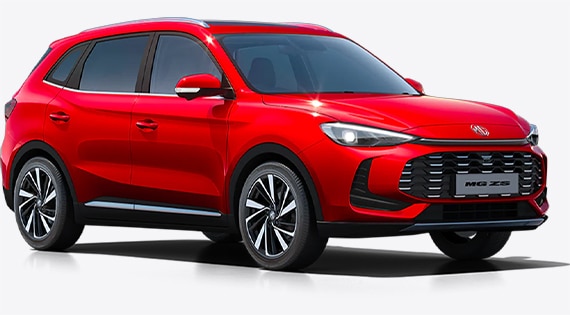
| Year | Price | Interest rate | Monthly repayment | Overall interest |
|---|---|---|---|---|
| 2023 | $17,990 | 6.79% p.a. | $354 | $3,277 |
| 2026 | $22,990 | 6.29% p.a. | $448 | $3,864 |
|
2023 2026 |
|
$17,990 $22,990 |
|
6.79% p.a. 6.29% p.a. |
|
$354 $448 |
|
$3,277 $3,864 |
Toyota Corolla Sedan ZR HEV
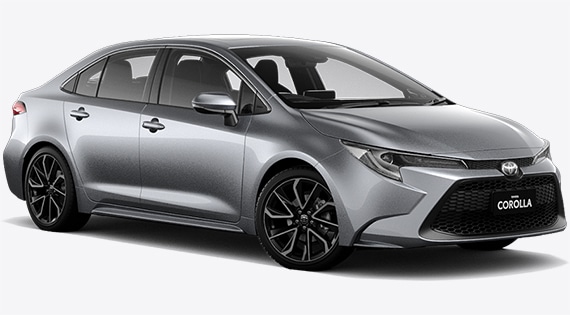
| Year | Price | Interest rate | Monthly repayment | Overall interest |
|---|---|---|---|---|
| 2023 | $38,990 | 6.79% p.a. | $768 | $7,101 |
| 2026 | $40,260 | 6.29% p.a. | $784 | $6,767 |
|
2023 2026 |
|
$38,990 $40,260 |
|
6.79% p.a. 6.29% p.a. |
|
$768 $784 |
|
$7,101 $6,767 |
Toyota RAV4 Edge AWD Hybrid
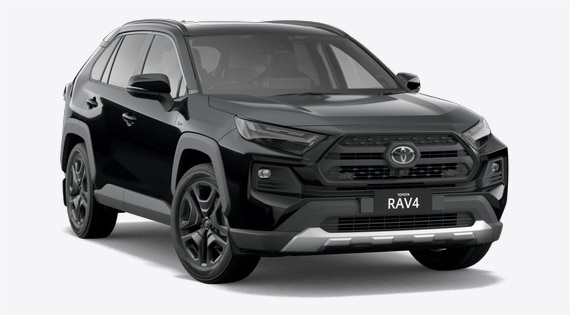
| Year | Price | Interest rate | Monthly repayment | Overall interest |
|---|---|---|---|---|
| 2023 | $55,000 | 6.79% p.a. | $1,084 | $10,017 |
| 2026 | $58,360 | 6.29% p.a. | $1,136 | $9,809 |
|
2023 2026 |
|
$55,000 $58,360 |
|
6.79% p.a. 6.29% p.a. |
|
$1,084 $1,136 |
|
$10,017 $9,809 |
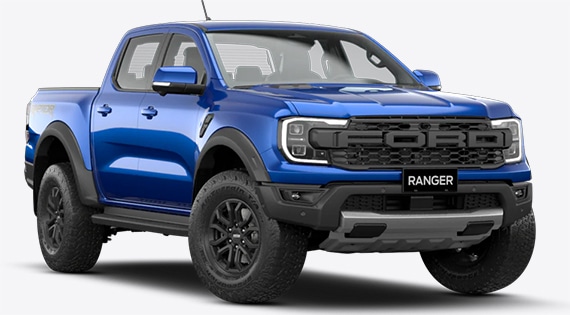
Ford Ranger Raptor 3.0 4X4
| Year | Price | Interest rate | Monthly repayment | Overall interest |
|---|---|---|---|---|
| 2023 | $79,990 | 6.79% p.a. | $1,576 | $14,569 |
| 2026 | $90,690 | 6.29% p.a. | $1,766 | $15,243 |
|
2023 2026 |
|
$79,990 $90,690 |
|
6.79% p.a. 6.29% p.a. |
|
$1,576 $1,766 |
|
$14,569 $15,243 |
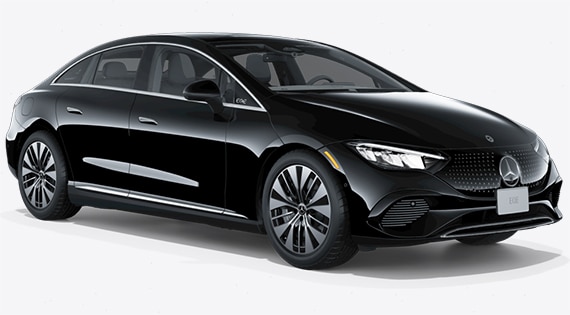
Mercedes-Benz EQE 350 4MATIC Sedan
| Year | Price | Interest rate | Monthly repayment | Overall interest |
|---|---|---|---|---|
| 2023 | $99,000 | 6.79% p.a. | $1,951 | $18,031 |
| 2026 | $155,400 | 6.29% p.a. | $3,025 | $26,119 |
|
2023 2026 |
|
$99,000 $155,400 |
|
6.79% p.a. 6.29% p.a. |
|
$1,951 $3,025 |
|
$18,031 $26,119 |
Calculations are for illustrative purposes only and do not include other car-buying costs. Model costs obtained through CarsGuide. Used car costs are examples based on listings obtained from carsales from August 2025. All figures are rounded up to the nearest dollar. Interest rates are reflective of the minimum available rate for each car age as of May 2026. The rate you receive on your car loan may be different to the rates listed above.
How to apply for your car loan with Savvy
-
Apply online
Fill out our quick web form.
-
Submit documents
Verify your income, employment and more.
-
Chat to your broker
Discuss the options available over the phone.
-
Track down your used car
Through our in-house car broker.
-
Have your application prepared
Your broker submits your form for approval.
-
Signed, sealed, delivered
Get approved and have your loan settled.
Why apply for a car loan with Savvy?
How does pre-approval work for a used car loan?
Pre-approval works the same way for used cars as it does for new cars. It gives you a conditional borrowing limit based on your financial position, so you know your budget before you fall in love with a car you can't afford.
With a used car, your final approval still depends on the specific vehicle passing your lender's checks, with things like its age, condition and PPSR history all factors in their final decision. Pre-approval isn’t a guarantee of eventual approval.
Pre-approval typically lasts between 30 and 90 days, so it's worth applying for pre-approval before you start seriously shopping, rather than after you've already found the car.
Tips for buying a used car (and taking out a loan to do so)
-
Get pre-approved before you shop
Knowing your borrowing limit before you start looking gives you a realistic budget and puts you in a stronger negotiating position, particularly at dealerships.
-
Check the vehicle's history
A Personal Property Securities Register (PPSR) check will tell you whether the car has any money owing on it, has been written off or reported stolen. It's $2 that could save you thousands down the track and stop you from inheriting someone else's financial baggage.
-
Factor in the full cost of ownership
The purchase price is just the beginning. Registration, insurance, fuel, servicing and potential repairs all add up, so make sure your budget accounts for more than just your loan repayments. As mentioned, some lenders will let you bundle these into your loan.
-
Don't skip the independent inspection
A pre-purchase inspection from a qualified mechanic can uncover issues that aren't visible to the untrained eye, which helps you avoid a lemon or gives you leverage to negotiate the price down if problems are found.
-
Compare loan options before you commit
The interest rate on your loan can vary significantly between lenders, and even a small difference can add up to thousands of dollars over a five to seven-year term. It pays to shop around, rather than accepting the first offer you receive.
Other types of used car finance
A standard used car loan isn't the only way to finance a pre-owned vehicle. Depending on your situation, one of the following alternatives may be worth considering:
- Personal loan: an unsecured personal loan can be used to purchase a used car without the vehicle serving as security. This is usually required for older vehicles that don’t qualify for secured finance due to their age or condition. However, unsecured loans come with higher interest rates.
- Novated lease: if your employer offers salary packaging, a novated lease allows you to finance and run a vehicle using your pre-tax salary, potentially reducing your taxable income. Although novated leasing is usually only available for new cars, Savvy Benefits is among the only providers in Australia that can help you take one out for a used model.
- Chattel mortgage: a chattel mortgage lets business owners borrow funds to purchase a vehicle for commercial use while claiming the car as an asset on their balance sheet. You may also be able to claim GST and depreciation as tax deductions, depending on the vehicle’s overall usage.
- Commercial lease: under a commercial lease, a lender purchases the vehicle and leases it to your business over an agreed term. Unlike a chattel mortgage, you don't own the vehicle during the lease period, but you may be able to claim lease payments as a tax deduction.
Should I finance my used car loan through my dealership?
Dealer finance can be convenient, but it pays to shop around before committing. Dealerships typically partner with a limited panel of lenders, which means you may not be getting the most competitive rate available to you. Comparing options through a broker or directly with lenders before you visit the dealership gives you a benchmark to work from.
There are a few things worth checking closely before accepting a dealership's finance offer:
- Introductory rates: a low advertised rate may only apply to part of your loan term, or come paired with a large balloon payment that keeps your regular repayments looking small but saddles you with a lump sum to pay at the end.
- Dealer fees and commissions: dealerships can add administration fees, documentation costs or their own markup on top of the loan itself, which can increase your overall cost beyond the interest rate alone.
- Sweeteners tied to finance: a discount on the purchase price in exchange for using the dealer's finance can look appealing, but it's worth checking whether the extra cost of the loan cancels out the saving.
Getting pre-approved before you walk into the dealership gives you a clear benchmark to compare their offer against and puts you in a stronger position to negotiate or walk away if their finance doesn't stack up.
Savvy used car loan statistics: 2025-26
The best-selling used cars through Savvy across the 2025-26 financial year are as follows: