

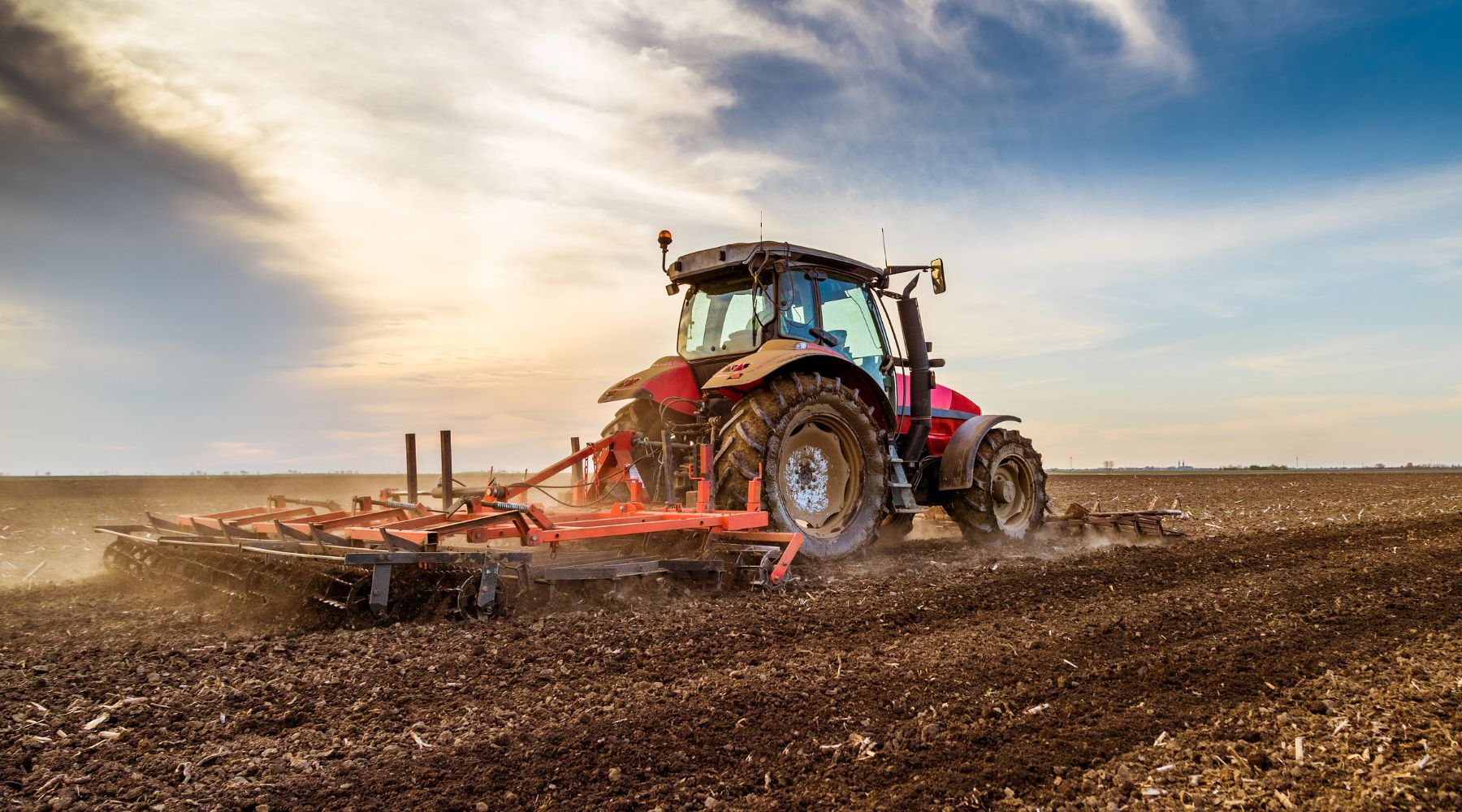
Farm machinery plays an indispensable role in keeping Australian agriculture moving and continues to grow. According to the Tractor & Machinery Association of Australia, the country’s agricultural machinery sector recorded approximately $5.9 billion in sales in 2023, representing an increase of around 5% on the prior year.
Whether you’re a broadacre grain grower looking to upgrade your harvester, a grazier in need of a new tractor or a horticulturalist expanding your irrigation setup, purchasing the right equipment means taking the time to secure the best farm machinery finance deal for your business’ needs.
What is farm machinery finance?
Farm machinery finance is a type of commercial asset finance that allows farmers and agricultural businesses to purchase or lease the equipment they need without paying the full cost upfront. Rather than tying up large amounts of working capital in a single purchase, you can either borrow funds from a lender or enter a leasing arrangement.
Loan terms usually last up to seven years, while leases can reach five years in length. There often isn’t a cap on the value of the asset that you’re financing, as it secures the loan or lease themselves. Borrowing or financing power ultimately comes down to factors related to your business, such as its turnover, outstanding debts and credit score.
What types of farm machinery can I finance?
Most lenders will consider a wide range of new and used agricultural equipment. Commonly financed farm machinery includes:
- Tractors: from compact utility models to high horsepower broadacre machines
- Trucks and trailers: farm vehicles used to transport grain, livestock or produce
- Harvesters and headers: combine harvesters, grain headers and forage harvesters
- Seeding and tillage equipment: air seeders, seed drills, cultivators and disc ploughs
- Sprayers: self-propelled boom sprayers, trailed sprayers and spot sprayers
- Hay and silage equipment: balers, mowers, rakes, tedders and silage wagons
- Livestock handling equipment: yards, crushes, weighing systems and auto drafting equipment
- Dairy equipment: milking machines, rotary dairies and vat cooling systems
- Earthmoving and land management equipment: dozers, graders and laser levelling equipment used for on-farm purposes
Older or more specialised equipment can sometimes be harder to place with mainstream lenders, so working with a broker like Savvy gives you access to a wider panel of lenders with genuine agricultural expertise.
Why apply for a business loan with Savvy?
What finance options are available for farm machinery?
There are several finance options available for farm machinery in Australia, each with its own advantages depending on your cashflow, tax position and whether you want to own the equipment outright. The most common products are:
Chattel mortgage
A chattel mortgage is one of the most popular forms of farm machinery finance. It works the same way as a standard car loan: you borrow a sum to cover part or all of its cost and repay it over a set period, usually weekly, fortnightly or monthly over one to seven years. Your asset is used as security for the loan.
Balloon payments at the end of the loan term are available but are optional and customisable, as is the case for deposits. In terms of tax benefits, you can typically claim business-use portion of your asset’s GST, depreciation and loan interest as deductions.
Finance lease
With a finance lease, the lender purchases the equipment and leases it back to you for an agreed term. You don’t own the machinery outright, but lease payments may be fully tax-deductible as a business expense. At the end of the term, you typically have the option to purchase the equipment, sell it or refinance the residual to extend the lease.
Operating lease
An operating lease is an arrangement where you use the equipment for a set period and return it at the end. There’s no option to buy or sell the equipment under this type of lease, as you don’t own it at any point. This may suit farmers who need machinery for a specific season or project, or who prefer to upgrade equipment regularly without the commitment of ownership.
Hire purchase
Similar to a chattel mortgage, hire purchase allows you to use the equipment while making regular repayments, with ownership transferring to you once the final payment is made. It’s a straightforward structure that can help farmers who want to utilise off-balance-sheet accounting, though it’s typically more expensive than a chattel mortgage and is much less commonly available today.
Unsecured business loan
An unsecured business loan can also be used to purchase farm machinery, offering more flexibility in how the funds are used. This may suit farmers looking to finance multiple pieces of equipment under a single facility or who want to purchase equipment that doesn’t qualify for a chattel mortgage due to age or condition.
It’s important to note, though, that interest rates for unsecured loans tend to be much higher. Loan amounts are also often capped at $250,000 to $300,000 instead of being available up to the asset’s value or your business’ borrowing power.
How much will my farm equipment finance deal cost?
There’s a range of factors that can impact the cost of your farm equipment loan. One prominent one is your loan’s interest rate. You can see how great a difference even small rate changes can have on a chattel mortgage for a tractor here:
2026 John Deere 6M 200 Utility Tractor

| Tractor cost | Interest rate | Monthly repayment | Total interest paid |
|---|---|---|---|
| $318,965 | 7.24% p.a. | $6,352 | $62,159 |
| $318,965 | 7.34% p.a. | $6,367 | $63,066 |
| $318,965 | 7.69% p.a. | $6,420 | $66,250 |
| $318,965 | 7.99% p.a. | $6,466 | $68,991 |
| $318,965 | 8.64% p.a. | $6,566 | $74,971 |
|
$318,965 $318,965 $318,965 $318,965 $318,965 |
|
7.24% p.a. 7.34% p.a. 7.69% p.a. 7.99% p.a. 8.64% p.a. |
|
$6,352 $6,367 $6,420 $6,466 $6,566 |
|
$62,159 $63,066 $66,250 $68,991 $74,971 |
Calculations based on a five-year chattel mortgage.
It isn’t just the interest rate that’ll have a say in the cost of your finance agreement. Other variables include:
- Loan/lease term: a longer term reduces monthly repayments but increases total interest paid
- Loan amount: determined by the purchase price of the equipment minus any deposit
- Deposit: a larger deposit reduces the amount borrowed and therefore the total interest paid
- Balloon payment/residual: reduces monthly repayments by deferring a lump sum to the end of the term, though you’ll need to budget for or refinance that amount when it falls due and overall interest bill will be higher
- Repayment frequency: weekly or fortnightly repayments can reduce total interest compared to monthly
How to apply for farm machinery finance with Savvy
-
Complete our simple online application form
Tell us about your business, its finances and the machinery you’re looking to buy or lease.
-
Send through any required documents
We’ll need to verify things like your identity and your business’ financial situation in most cases.
-
Have a chat to your Savvy broker
Once we have all the information, your broker will call you to discuss your available finance options.
-
Have your application prepped and submitted
They’ll get to work preparing your application for formal submission to your lender.
-
Receive formal approval
Once you’re formally approved, your broker will let you know about the next steps.
-
Sign, settle and receive your farm machinery
Sign off on all the final contracts, have settlement sorted for you and the machinery is all yours!
Can I take out a loan to purchase farmland?
Yes, you can finance the purchase of farmland with a commercial property loan. These are designed for the purchase of land and property for business use, but work in a similar way to standard home loans.
The key difference between the two is that commercial property loans often come with shorter terms of between one and 15 years (sometimes even less than one year). They may also come with stricter LVR limits, such as capping your borrowing at 70% to 80% of the property’s value.
It’s worth noting that vacant or undeveloped farmland can be more difficult to finance than land with existing infrastructure, water access or a dwelling. Lenders generally view bare land as higher risk due to its limited income-generating capacity and lower resale value, which can result in stricter lending conditions like lower LVR limits and higher interest rates.
Another way of achieving this is by taking out an Agristarter Loan, which is a Government loan designed to help new farmers establish their business or facilitate succession planning. You can borrow up to $2 million to be used for a range of purposes, including for buying an existing farm business or establishing a new one.