



Third party fire and theft (TPFT) car insurance offers a middle ground between basic third party cover and comprehensive insurance. It can suit drivers who want extra protection for their car while keeping premiums affordable, covering damage you cause to other people’s property but also protecting your car against fire and theft.
What is third party fire and theft car insurance?
TPFT insurance is an optional car insurance policy that covers damage you cause to other people’s vehicles or property, while also providing limited protection for your own car if it is stolen or damaged by fire.
It offers broader protection than third party property damage (TPPD) insurance, but less than comprehensive cover, which includes damage to your car for a wider range of events, including if you’re at fault in a crash.
What does third party fire and theft car insurance cover?
TPFT insurance covers:
- Damage to another person’s vehicle or property when you’re at fault in an accident
- Fire damage to your vehicle
- Damage to your car caused by attempted theft
- Theft of your car
Depending on the insurer, your policy may also include or offer benefits such as towing, hire car cover after theft, child seat replacement, contents cover or roadside assistance.
What’s not covered by third party fire and theft car insurance?
TPFT only provides limited protection for your vehicle. It won’t cover:
- Damage to your car in an at-fault accident
- Storm, hail or flood damage
- Accidental damage to your own car
- Vandalism unrelated to theft or attempted theft
- Other damage to your vehicle outside the events listed in your policy
For broader protection against accidental damage and weather events, you would need comprehensive car insurance.
TPFT vs TPPD car insurance
Third party fire and theft builds on the protection offered by third party property damage (TPPD) insurance. Both cover damage your car causes to other people’s vehicles or property, but TPFT also provides limited cover for your own car if it is stolen or damaged by fire.
Because of this extra protection, TPFT will usually cost more than TPPD. It can suit drivers who want some protection for their own vehicle without paying for the broader cover offered by comprehensive insurance.
How much does third party fire and theft car insurance cost?
How much you pay for third party fire and theft insurance depends on a number of factors, including your car, your age and driving history, how often you use the vehicle and where it is kept overnight. Your location can also affect the price, particularly if your area has a higher risk of theft or fire.
To give you an idea of what a TPFT plan could cost, we compared quotes for ten-year-old models across three different vehicle types:
Ute Midsize SUV Small car All quotes were sourced from Compare the Market in August 2026. Quotes are based on a 30-year-old male driver in Adelaide with a full licence and no previous claims. The vehicle is used for private purposes, driven 15,000 km per year, and kept in a garage overnight. A standard excess of $600 applies.Mitsubishi Triton GLX
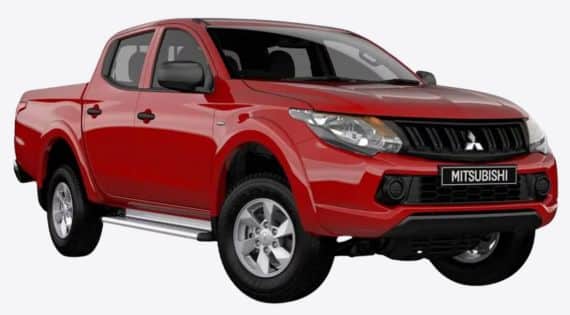
Annual premium range
Average annual premium
$906 – $1,278
$1,068
Toyota RAV4 GX
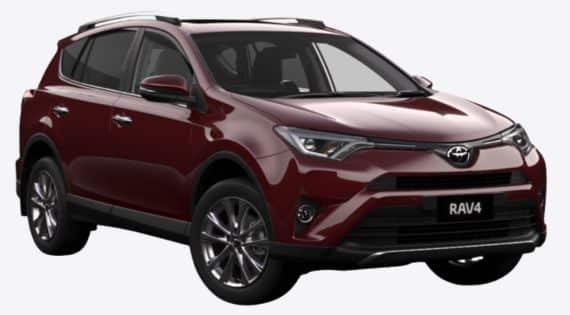
Annual premium range
Average annual premium
$906 – $1,278
$1,068
Suzuki Swift GL
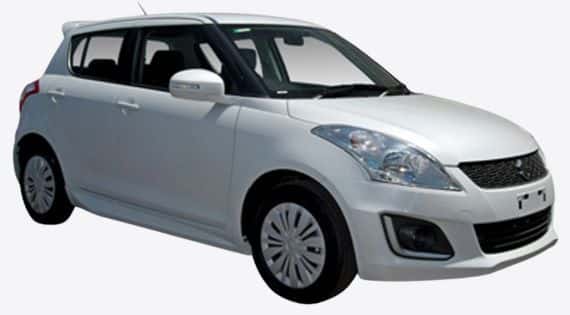
Annual premium range
Average annual premium
$711 – $1,049
$873
How do TPFT premiums compare to other types of car insurance?
Third party fire and theft sits between TPPD and comprehensive insurance, both in the level of cover it provides and in price. Here’s how the average premiums compared across the three levels of cover for the same three car models above:
| Car | Average TPFT premium | Average TPPD premium | Average comprehensive premium |
|---|---|---|---|
| Mitsubishi Triton GLX | $1,068 per year | $912 per year | $2,162 per year |
| Toyota RAV4 GX | $945 per year | $820 per year | $2,948 per year |
| Suzuki Swift GL | $873 per year | $752 per year | $2,516 per year |
| All quotes were sourced from Compare the Market in August 2026. Quotes are based on a 30-year-old male driver in Adelaide with a full licence and no previous claims. The vehicle is used for private purposes, driven 15,000 km per year, and kept in a garage overnight. A standard excess of $600 applies. | |||
In these examples, TPFT cost only around $120 to $160 more per year than TPPD, or about $10 to $13 per month. However, the jump to comprehensive was much larger, with average premiums roughly double to just over three times the cost of TPFT.
Pros and cons of third party fire and theft insurance
Pros
-
More protection than TPPD
TPFT also covers your car if it’s stolen or damaged by fire, giving you some protection for your own vehicle as well as third party liability.
-
Cheaper than comprehensive
TPFT can provide a middle ground if you want more than basic third party cover without paying for comprehensive insurance.
-
Can include useful extras
Depending on the insurer, benefits such as hire car after theft, towing or limited contents cover may be included or available.
Cons
-
No cover for your car in at-fault accidents
If you cause a crash, TPFT cover won’t pay to repair or replace your own vehicle.
-
Limited protection for your own car
Events such as storm, hail, flood or accidental damage generally require comprehensive cover.
-
May not suit higher-value cars
TPFT may leave owners of higher-value cars facing big out-of-pocket costs if their car is damaged in an event that isn’t covered.
Is third party fire and theft insurance right for me?
TPFT insurance can be a sensible middle ground if you want some protection for your own car without paying for comprehensive cover. It won’t cover damage to your vehicle after an at-fault accident, but it does protect against fire and theft while also covering damage you cause to other people’s vehicles or property.
Third party fire and theft may suit:
- Drivers with older or lower-value cars: if your car isn’t worth enough to justify the cost of comprehensive insurance, TPFT can still provide useful protection against fire, theft and third party damage.
- Drivers trying to keep premiums down: TPFT is usually cheaper than comprehensive insurance while offering more protection than basic TPPD cover.
- Drivers who could afford to repair or replace their own car after an accident: if you’re comfortable covering those costs yourself, TPFT may provide enough protection for the risks you’re most concerned about.
However, TPFT may be less suitable if your car is newer, higher in value or expensive to replace. It also leaves you exposed to costs from at-fault accidents, weather damage and other events that fall outside the policy. If your vehicle is financed, you should also check whether your lender requires comprehensive insurance.
Why compare car insurance policies through Savvy?
How to get third party fire and theft car insurance
-
Complete a quick online quote
Enter a few details about yourself, your driving history and your car.
-
Compare your options
Look at premiums, what’s covered, exclusions and any available extras.
-
Choose your TPFT policy
Choose the option that suits you and get covered straightaway.
Types of car insurance



Compulsory third party (CTP)
CTP insurance is the only mandatory type of car insurance in Australia. It covers injuries or death caused to others in an accident but not damage to property, other vehicles or the driver’s own injuries or vehicle.
Compulsory third party (CTP)
CTP insurance is the only mandatory type of car insurance in Australia. It covers injuries or death caused to others in an accident but not damage to property, other vehicles or the driver’s own injuries or vehicle.