


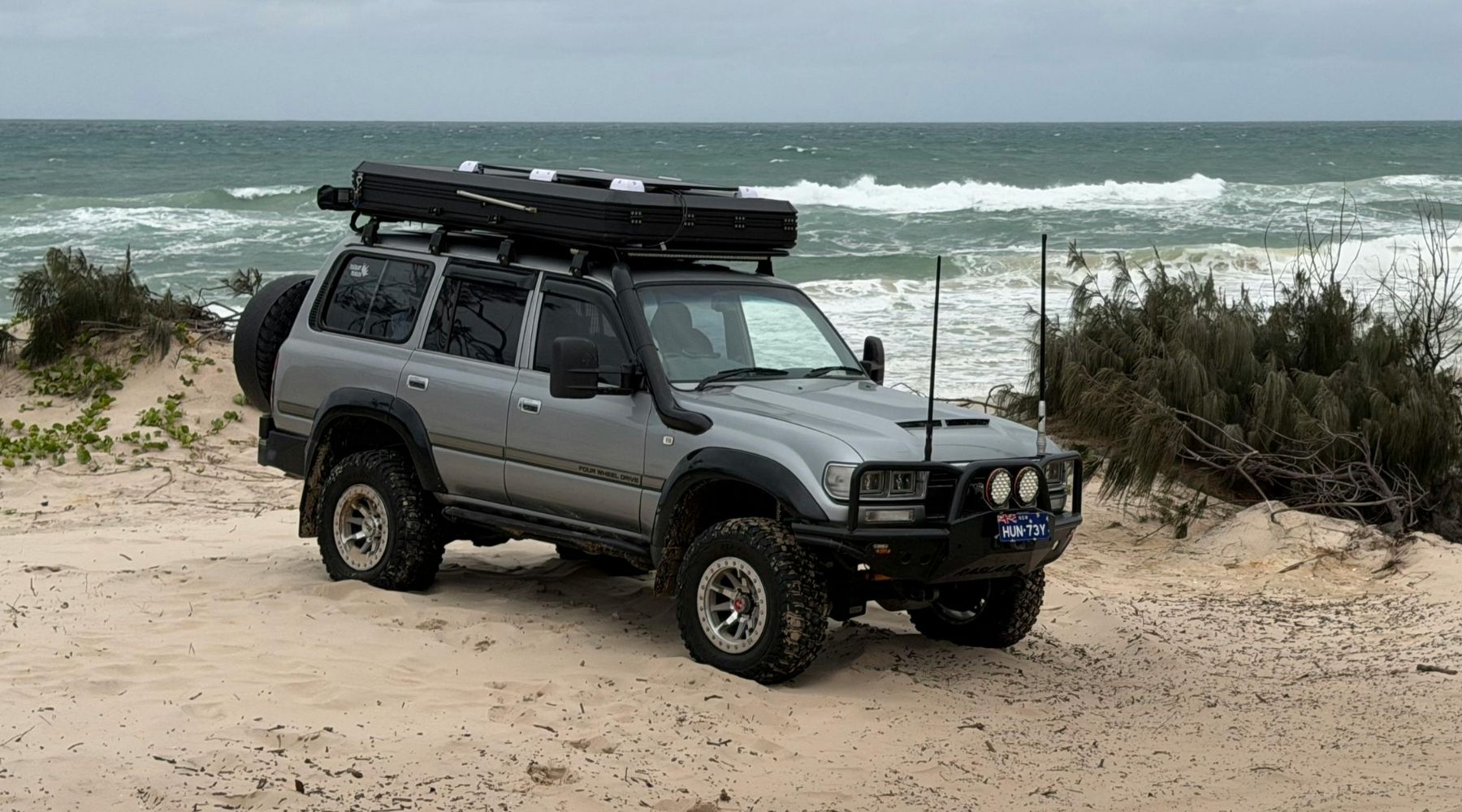
Four-wheel drives (4X4s) are built to handle more than the average car. Whether you use yours for weekend adventures off the beaten track, or just want the reliability it offers day to day, it’s important to make sure your 4WD is covered against a range of different events.
What is 4×4 car insurance?
In most cases, car insurance for a 4X4 vehicle in Australia isn’t a specific product. Your 4WD can be covered by the same optional policy types available for other cars:
- Comprehensive: covers damage to your own vehicle, damage you cause to others, and events such as theft, fire and certain weather damage.
- Third party fire and theft (TPFT): covers damage you cause to others, plus loss or damage to your own car from fire or theft.
- Third party property damage (TPPD): covers damage you cause to other people’s vehicles or property, but not your own car.
You don’t have to take out comprehensive, TPFT or TPPD cover, but they can provide important protection for your 4X4, particularly if it’s valuable, modified or regularly used in situations where repairs or recovery could be costly.
The type of policy that best suits will depend on how you use it, whether that’s on sealed roads for everyday trips or for off-road driving, remote travel or touring. Some providers also offer policies specifically tailored to 4WD vehicles for this kind of use, which can offer broader cover in areas where standard policies may have more limitations.
Regardless of the type of optional cover you choose, every registered vehicle in Australia, including 4X4s, must have compulsory third party (CTP) insurance, which covers injury or death caused to other people in an accident, but not damage to vehicles or property.
What should I consider when buying car insurance for my 4X4?
Off-road driving
If you take your 4X4 onto beaches, tracks, non-gazetted roads or other off-road terrain, check whether your policy covers you in those locations. Off-road cover varies between insurers, so read the PDS carefully and confirm any restrictions before relying on your policy for a trip.
Off-road recovery
Getting a 4X4 recovered from a remote or difficult-to-access location can be much more expensive than a standard roadside callout. Roadside assistance may also have limits on where recovery vehicles can reach you, so check whether off-road recovery is included or available separately.
Modifications and accessories
4X4s are commonly fitted with aftermarket modifications and accessories such as:
- Bull bars
- Suspension or lift kits
- Roof racks
- Winches
- Snorkels
- Aftermarket wheels and tyres
You’ll generally need to declare any modifications or accessories when taking out or updating your policy. They can affect your premium and may have their own cover limits, while some modifications may not be covered at all. Check the insurer’s terms to make sure the changes you’ve made to your 4X4 are included.
What isn’t covered by 4×4 car insurance?
What your 4X4 is and isn’t covered for will depend on the type of policy you choose and the insurer’s terms. For example, a comprehensive policy will cover more than a TPPD policy, but there are still situations where a claim may be excluded.
Whatever level of cover you choose, you generally won’t be covered for:
- Participating in races, timed events or official competitions
- Reckless driving, illegal activity or using the vehicle in a way that breaches the policy conditions
- Mechanical or electrical failure, including breakdowns that happen while driving off-road
- Modifications or accessories you haven’t declared to your insurer
- Driving in locations or conditions excluded by the policy, which can include certain off-road areas
- Normal wear and tear, deterioration or damage that develops over time
Because exclusions can vary quite a bit between insurers, particularly for off-road use, it’s worth checking the PDS before relying on your policy for a trip.
How much will my 4×4 car insurance policy cost?
4X4 insurance costs can vary considerably depending on the vehicle you drive. Larger, more expensive models can cost more to repair or replace, which can result in higher premiums than cheaper cars.
To show how much prices can differ between models, we compared insurance quotes for three popular 2026 4WDs:
Source: Compare the Market, September 2026. Quotes are based on a 35-year-old male driver living in Sydney with a full driver's licence and no previous claims, driving 15,000km per year. Quotes were based on excesses ranging from $600 to $700. Figures are indicative only and actual premiums will vary depending on the driver, vehicle, location, insurer, level of cover and other policy details.Suzuki Jimny
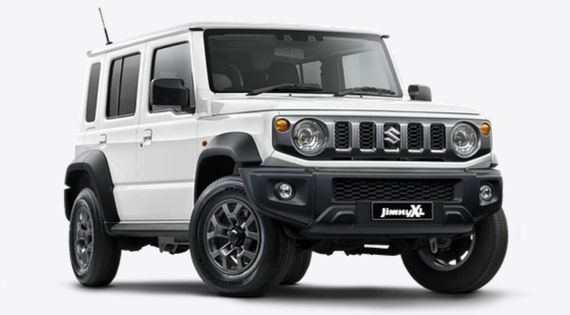
Comprehensive annual premium range
Average comprehensive premium
TPPD annual premium range
Average TPPD premium
$1,386–$3,145
$2,343
$411–$1,090
$755
Ford Ranger
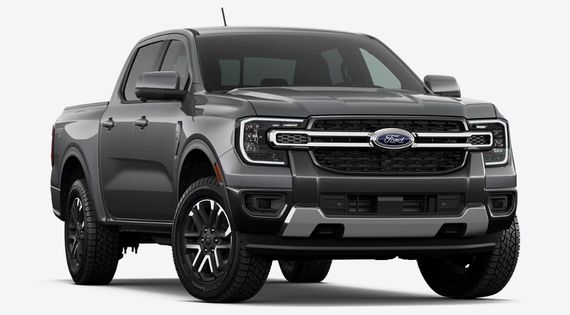
Comprehensive annual premium range
Average comprehensive premium
TPPD annual premium range
Average TPPD premium
$1,827–$4,369
$3,222
$633–$1,191
$925
Toyota LandCruiser
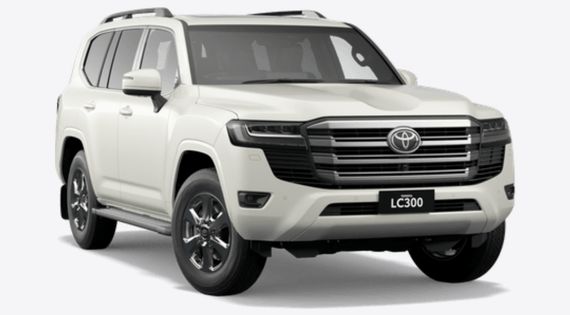
Comprehensive annual premium range
Average comprehensive premium
TPPD annual premium range
Average TPPD premium
$2,042–$6,891
$4,818
$636–$1,467
$1,062
However, the cost of your policy will depend on more than just the 4X4 you drive. Insurers will also consider factors such as your age and driving history, where you live, how far you drive, the excess you choose, any modifications or accessories, and optional extras such as roadside assistance or windscreen cover.
Tips for choosing the right car insurance for your 4X4
-
Compare more than just the premium
Price is important, but it shouldn’t be the only thing you compare. Look at the level of cover, excesses, exclusions, optional extras and whether the policy suits how you use your 4X4, particularly if you drive off-road or have modifications.
-
Check your off-road cover
If you take your 4X4 onto beaches, tracks or non-gazetted roads, make sure the policy covers those situations. Standard policies can place limits on off-road driving, so check the PDS before you buy.
-
Make sure modifications are declared
Bull bars, lift kits, snorkels, roof racks and other accessories can affect your cover. Declare any modifications when taking out the policy and check whether they’re included in the insured value or subject to separate limits.
-
Choose an excess you can afford
A higher excess can reduce your premium, but it also means paying more out of pocket if you need to make a claim. Choose an amount you’d be comfortable paying at short notice.
How to buy car insurance for your 4×4
-
Fill out an online quote form
Enter your details, your 4WD’s make and model, how you use it and the type of cover you’re looking for. Make sure you include any modifications or accessories that could affect your cover.
-
Compare offers
Look at premiums, excesses, inclusions, exclusions and optional extras across the available policies. If you drive off-road, also check whether the policy covers the types of roads and terrain you use.
-
Choose your policy and buy
Once you’ve found a policy that suits your 4X4 and how you use it, you can complete your purchase through our partner’s website.