



Although Christmas Day is still a couple of weeks away, the silly season is well and truly upon us. Australians will be travelling in their droves as the weather heats up, with 74% heading on holiday this summer, according to a recent survey by the Tourism & Transport Forum (TTF) Australia. 59% are planning to travel either within their state or territory (34%) or to another state or territory (25%).
The Gold Coast is the pick of the bunch, according to Expedia, occupying most of their top ten most popular domestic summer destinations alongside the Sunshine Coast. However, Expedia has also picked out some trending locations, with the Yarra Valley in Victoria (+85%) and Jindabyne (+65%) and Tweed Heads (+55%) in NSW leading the pack.
Of course, if you’re going by car, you’ll need to factor petrol, diesel or charging expenses into your overall holiday budget. With that in mind, we thought it might be worth having a look at how much some of the most popular Aussie road trips will end up costing you in fuel for different popular car models.
Australian road trip costs
Of course, the further you have to drive, the more it’ll cost you in petrol. For that reason, the most expensive trip is Perth to Broome, which would see you rack up a petrol bill of up to $568 in a Mazda6 or $823 in a Ford Ranger over a 2,223km journey.
Along the east coast of Australia, the treks from Brisbane to Airlie Beach ($205 to $359), Melbourne to Sydney ($161 to $283), Sydney to the Gold Coast ($157 to $275) and Sydney to Byron ($141 to $247) are the costliest.
If you’re looking for a cheaper trip, you might fancy a getaway within your state and territory like Melbourne to Daylesford ($21 to $37), Brisbane to Noosa ($29 to $51) or Sydney to Huskisson ($35 to $62).
Road tripping in an EV
There are clear benefits to getting from A to B in an EV, the most obvious of which is the cost. It’s significantly cheaper to charge your vehicle than it is to fill it with petrol or diesel, to the point where the Perth to Broome marathon would only cost close to a quarter of the price in a Model Y ($215) compared to a Ranger. On the Melbourne to Daylesford trip, you’d likely only expend $11 worth of charge.
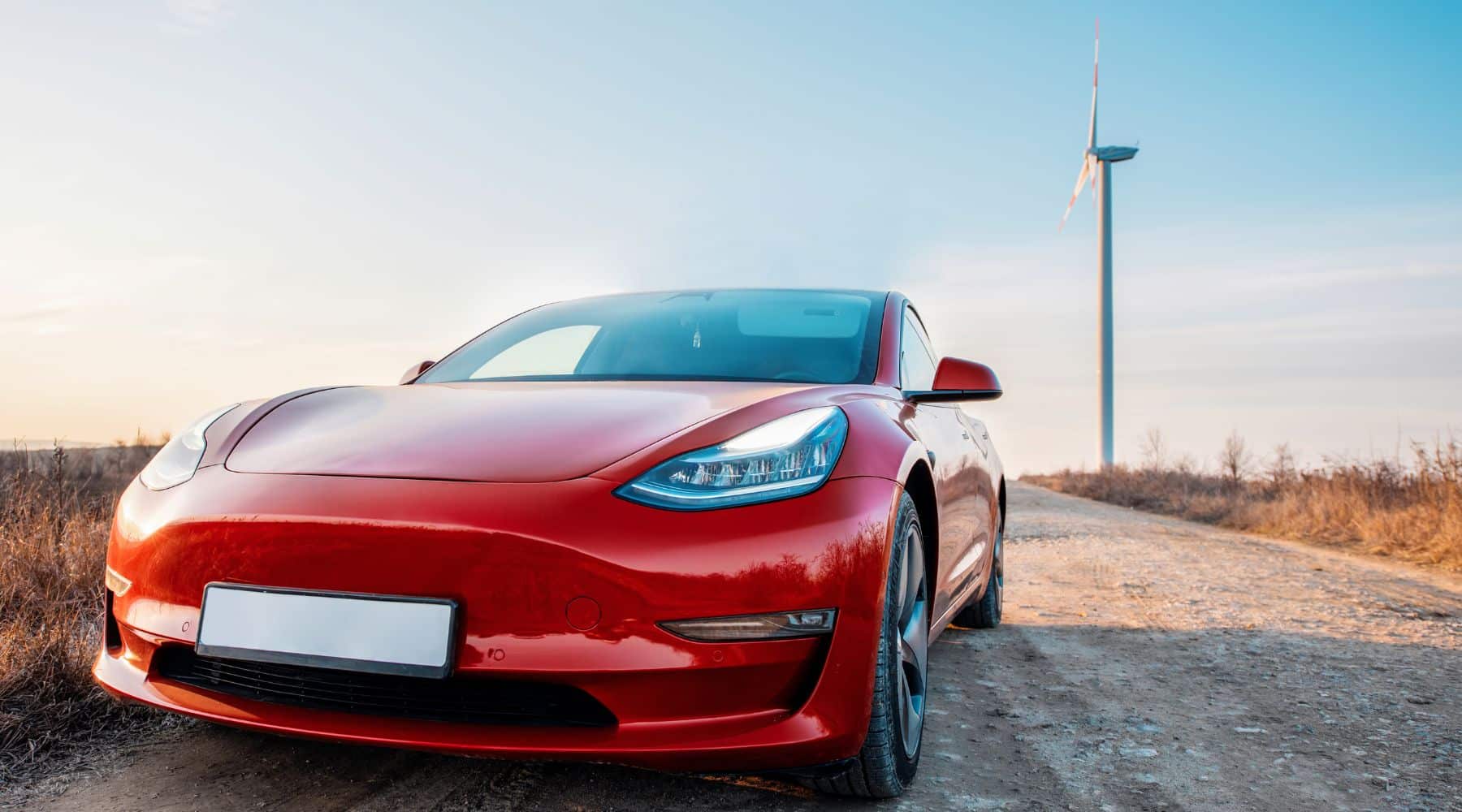
The biggest thing standing in the way is range anxiety and general inconvenience. With the Model Y’s 465km range, you’d need to stop and recharge your vehicle at least four times, if not more. Each recharge could take an hour or more, depending on the speed of the charger. It’s also fair to say that charging infrastructure isn’t great in outback Australia, so you’d need to carefully plan your trip down to the stop in order to avoid running out of charge.
What else can impact the cost of your road trip?
It’s not as simple as looking at the numbers in the table above and applying them to your next destination, though. The reality is that there are plenty of factors within and outside your control that could lead to you spending more (or less) on fuel. Here are some of the main things to consider that could impact your car’s fuel efficiency:
Travelling with the whole kit and caboodle
Going away by yourself or with your partner and a few bags packed won’t have a major effect on your car’s performance, but you might start to notice its efficiency dropping when you bring the whole family and a boot that’s full to the brim. Every 100kg you add to your car’s frame, you’ll likely tack an extra 0.4L/100km onto its fuel consumption, so be mindful of how much you’re cramming in.
Taking your adventure with you
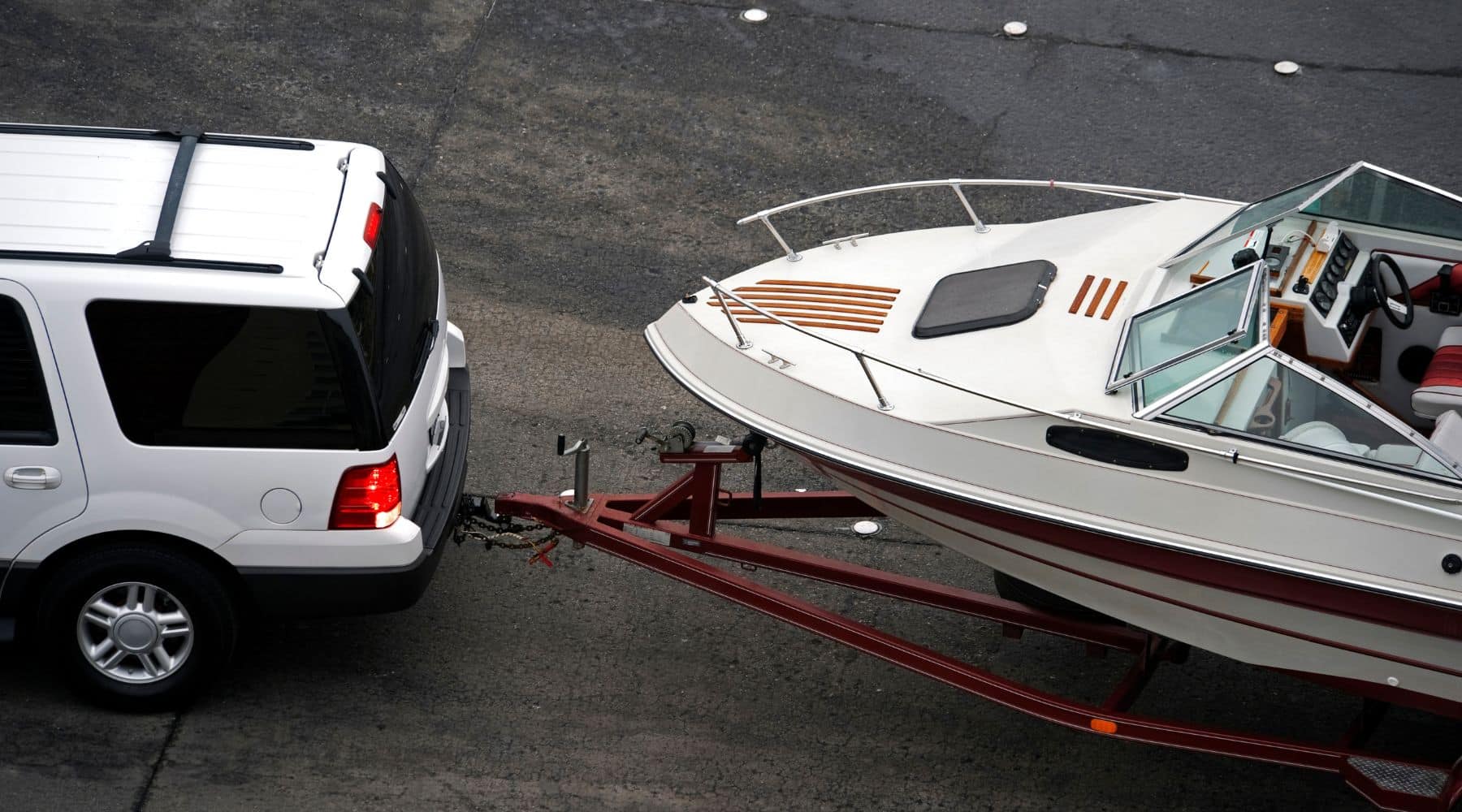
Towing a boat, caravan or trailer on your trip will obviously also impact how much fuel your car is using. There’s a big difference between your vehicle travelling unencumbered and one that’s dragging hundreds or thousands of kilograms behind it.
Regional fuel premiums
When it comes to fuelling up, petrol and diesel are usually more expensive in the country compared to capital cities. There could be a spike of up to 25% between the two. Couple that with the fact that you’re travelling at the most popular time of year to be on the road and that could spell trouble for your hip pocket.
Roads that take their toll
A common problem that plagues drivers in New South Wales, Queensland and Victoria is road tolls. For certain trips, you’ll have to budget for tolls as part of your journey. Of the journeys mentioned above, Sydney cops it the most. For example, if you’re travelling from Sydney to Nelson Bay, Byron Bay or Melbourne, you can expect to pay just over $60 in tolls.
Red light, green light
Stopping and starting frequently can increase your fuel consumption, especially if you’re braking hard and accelerating quickly. By maintaining a constant speed and minimising your stops (and slowing and accelerating more gently when you do), your car will thank you for it.
Consider your car insurance
Stacking hundreds or thousands of extra kilometres onto your car’s odometer could also mean you end up paying more for car insurance. When the time comes to renew your policy, if you already know you’re going to be going on a long car journey, you’ll need to factor that into your annual travel with your insurer, which could see you end up paying $50 to $100 more in some cases.