



Electric vehicle sales accounted for 14.6% of all new car registrations in March 2026, smashing the record set the month prior (11.8%) and putting Australian sales firmly on track to meet recent modelling by JET Charge.
The Australian EV charging infrastructure provider forecast sales of approximately 195,000 battery electric vehicles (BEVs) and plug-in hybrid electric vehicles (PHEVs), equivalent to 15% total market share, across 2026 if the FBT exemption is kept in place.
Should the Australian Government decide to scrap the exemption, JET Charge predicts that this segment will only reach around 167,000 or 13% market share.
However, last month’s numbers have blown past this projection, with BEVs accounting for 15,839 registrations and PHEVs adding 8,215 units for a total of 22.1% of the market.
Overall, the first quarter of 2026 has seen 34,382 new BEVs and 19,230 new PHEVs registered, combining for a market share of 18.4% in the year to date.
So, why are we seeing this surge in electrified vehicle sales? The answer is pretty obvious.
Ongoing conflict changing the way Aussies think about cars
March’s electrified vehicle tally was as clear a signal as any that the ongoing conflict in the Middle East is having a very real impact on people’s car-buying preferences.
A recent survey by Savvy echoes these sentiments, with 37.5% of respondents in the market for a car stating that they’d consider buying an EV.
That came against the backdrop of petrol prices soaring past 200 cents per litre, and reaching closer to 300 cents in some places, before the Australian Government provided some minor relief by halving the fuel excise.
The fuel crunch is leading to a massive uptick in demand for EVs across March, with Commonwealth Bank recording a spike of 161% in weekly loan volume, NAB seeing a 100% increase in EV loans and Savvy’s green car loan enquiries surging by 106%.
With their increasingly competitive pricing, some of Australia’s best electric carmakers like Tesla, BYD, MG and GWM have been on the lips of Aussie drivers.
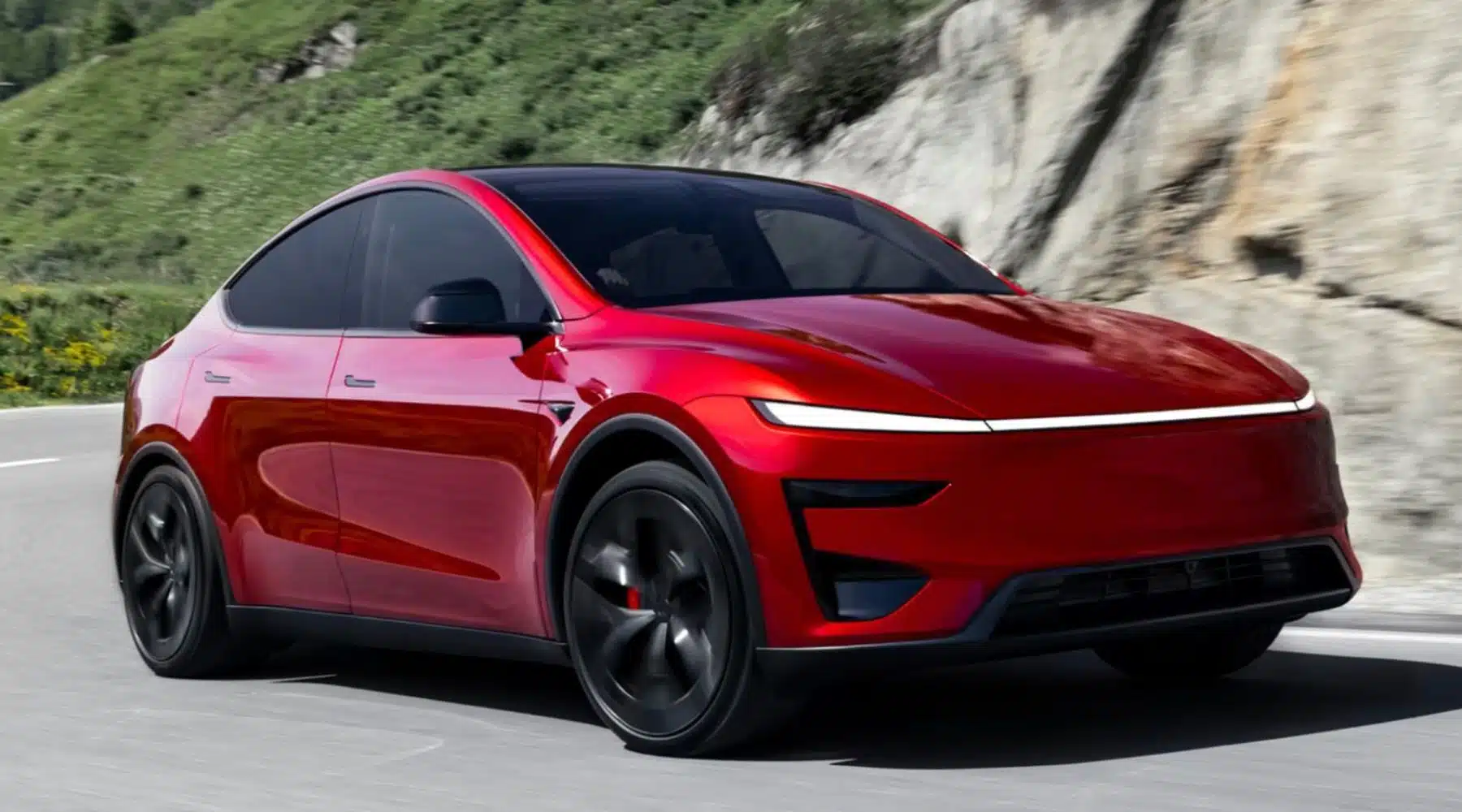
The Model Y from Tesla has proven particularly popular, finishing behind only the Ford Ranger and Toyota HiLux for total monthly sales to make it the best-selling SUV in Australia.
EV demand stretching Aussie stocks to their limits
The increased demand, in turn, means that electric vehicle stocks are being rapidly depleted, with Tesla among those needing to send more models to Australia and push wait times out to next month.
Additionally, a BYD source exclusively confirmed to Savvy that while on-shore stock has largely been allocated, there are no lengthy delivery delays expected.
Regular BYD shipments are already en route, with the next one due in a matter of weeks.
According to Savvy Managing Director Bill Tsouvalas, the conflict has created “a perfect storm” for EVs.
“I think [the increased demand] is less about people desperately ready to switch to EVs and speaks more to how tight family budgets are”, he explained.
“Between continued increasing mortgage rates and rents, along with grocery, insurance and utility bills, there’s no budget left to stretch.
“An EV can be charged at home for roughly $20 a week, whereas fuel is currently costing $90 a week for E10/91 only.
“That extra $70 a week back in a family’s pockets is worth its weight in gold right now.”
- 2026 will be a “decisive” year for EVs in Australia - EV Central
- Demand for EV loans surging amid fuel crunch: CommBank - Commonwealth Bank
- EV interest surges 100% as fuel pressures bite Australians - NAB
- “Tipping point:” Tesla sales surge, EV registrations up sharply as Australian drivers go electric - The Driven