



Comprehensive car insurance offers the highest level of protection you can get for your vehicle. If you're weighing up your options, it helps to understand what’s included and what it might cost so you can choose cover that suits your needs.
What is comprehensive car insurance?
Comprehensive car insurance gives you the most complete vehicle cover you can get in Australia. It’s there to help with the costs if your car gets damaged or stolen, or you have an accident, even if it’s your fault.
This sets it apart from third party policies, which only cover damage to other people's property and, in some cases, fire or theft of your own car, not accidental damage you cause yourself.
Comprehensive cover is designed to take care of a wide range of driving-related risks and can usually be tailored with optional extras for added peace of mind. While it typically comes with higher premiums than other car insurance policies, the broader protection it provides means you’re less likely to face large out-of-pocket costs if something goes wrong on the road.
What does comprehensive car insurance cover?
Comprehensive car offers the most extensive protection for your vehicle, covering you for:
- Damage to your car due to an accident or collision
- Damage to another person’s car or property due to an accident or collision for which you’re at fault
- Damage to your car due to theft or the theft of your car
- Damage to your car due to fire
- Damage to your car due to a weather event (such as storm, flood and hail)
Some policies also include cover for:
- New car replacement costs in the event of a write-off or theft
- Towing costs following an accident or breakdown
- The loss of personal items in your vehicle due to damage or theft
What optional extras are available on comprehensive car insurance?
Optional extras are additional protections you can add to your policy for an extra cost, on top of your standard cover, letting you tailor your protection to your circumstances rather than relying on the base level of cover alone.
Comprehensive policies typically offer a wider range of optional extras than third party cover, giving you more scope to customise your policy, though exactly what's on offer will vary between insurers. Some of the additional extras available with comprehensive car insurance include:
- Roadside assistance
- Hire car cover
- Windscreen and window glass cover
- No-claim bonus protection
- Personal effects cover
- Replacement keys cover
What’s not covered under comprehensive car insurance?
Even though it offers the greatest level of protection of all policy types, comprehensive car insurance still won't cover everything. This can include:
- Intentional damage
- Driving under the influence of drugs or alcohol
- Using the car for illegal purposes
- Not maintaining the car properly
- Damage caused by a driver not included under the policy
- Driving an unregistered or unroadworthy vehicle
- Driving without a valid licence, or outside your licence conditions
- Unauthorised or undisclosed modifications to your car
- Using your car for a purpose not covered by your policy, such as rideshare or delivery driving
- Overloading your vehicle beyond its rated capacity
- General wear and tear or mechanical failure
Is comprehensive car insurance compulsory?
No, comprehensive car insurance isn't compulsory in Australia. The only type of car insurance that's legally required is Compulsory Third Party (CTP) insurance, which covers injury or death to other people if you're at fault in an accident. It's a legal requirement to hold a valid CTP policy to register and drive your vehicle, and it's arranged separately from your comprehensive cover, sometimes as part of registration, depending on your state or territory.
Beyond CTP, every other level of cover, including comprehensive, is optional. It's entirely up to you whether you take out additional cover and how much protection you want for your vehicle.
However, if you have a car loan or your vehicle is under finance, your lender will generally require you to take out comprehensive cover. This protects their financial interest in the vehicle in case of an accident, theft or total loss. If you're financing your car, it's worth checking your loan contract or speaking with your lender before considering a lower level of cover.
How much does comprehensive car insurance cost?
Comprehensive car insurance is the most expensive type of cover, though premiums vary widely depending on your car, your personal profile and the policy options you choose.
To show how much costs can differ between vehicles, we compared comprehensive insurance premiums for 2026 models of four popular cars:
Ford Ranger Raptor
Ute
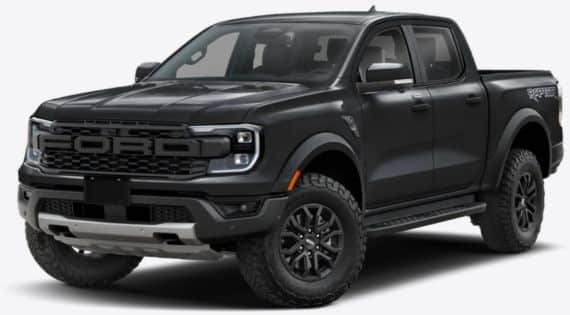
| Annual premium range | Average annual premium |
|---|---|
| $1,824 – $5,667 | $4,001 |
|
$1,824 – $5,667 |
|
$4,001 |
Toyota RAV4 GX
Midsize SUV

| Annual premium range | Average annual premium |
|---|---|
| $1,551 – $3,490 | $2,631 |
|
$1,551 – $3,490 |
|
$2,631 |
Mazda3 G20 Pure
Small car

| Annual premium range | Average annual premium |
|---|---|
| $1,305 – $3,171 | $2,358 |
|
$1,305 – $3,171 |
|
$2,358 |
Tesla Model Y
EV

| Annual premium range | Average annual premium |
|---|---|
| $4,390 – $5,076 | $4,756 |
|
$4,390 – $5,076 |
|
$4,756 |
All quotes were sourced from Compare the Market in August 2026. They are based on a 30-year-old male driver from Adelaide with a full driver’s licence and no previous claims. The vehicle is used for private purposes, driven 15,000 kilometres per year and kept in a garage overnight. A standard excess of $800 applies.
As you can see, smaller petrol vehicles generally attract lower premiums while the Model Y is the most expensive by far, perhaps reflecting the higher repair and replacement costs for electric vehicles like Teslas.
Other factors that impact cost
It's not just your car that influences car insurance costs, your personal profile and driving habits also make a big difference:
- Age and driving experience: younger or less experienced drivers are generally seen as higher risk
- Claims history: a history of claims can push your risk level, and premium, higher
- Where you live and park your car: location and overnight parking (garage vs street) both affect your risk profile
- How much you drive: higher annual kilometres generally mean higher premiums
- Your excess and extras: a lower excess generally means a higher premium, and adding optional extras like roadside assistance or hire car cover raises the overall cost
To demonstrate the difference this can make, let's go back to the RAV4 from earlier.
If a 20-year-old driver wanted comprehensive cover for the same car, under the same conditions, they'd be looking at significantly higher premiums, with quotes ranging from $1,588 to $5,302 per year and averaging at $3,693, almost $1,000 more.
Meanwhile, if the 30-year-old driver from the original example cut their annual kilometres from 15,000 to 5,000, their premiums could fall to between $1,233 to $3,245 per year, averaging $1,984, which is around 25% less than the higher kilometre quote.
However, comprehensive car insurance isn't just about price, and the best policy for you won't necessarily be the cheapest. When comparing options, it's important to consider what's included in the cover, any exclusions or limits, and whether it offers the right level of protection for your needs.
Pros and cons of comprehensive car insurance
Pros
-
Greatest overall cover
Comprehensive car insurance provides the highest level of protection for your vehicle, covering eligible damages caused by accidents, collisions, theft, fire, extreme weather and more.
-
Freedom to add optional extras
A range of optional extras can be added to comprehensive car insurance, allowing you to tailor your cover to suit your needs and boost your protection.
-
Peace of mind
Comprehensive car insurance can give you peace of mind while driving, knowing you’re protected against a wide range of events covered by your policy.
Cons
-
More expensive premiums
Comprehensive car insurance is the most expensive type of car insurance due to the higher level of protection it offers, with premiums potentially costing thousands each year.
-
Exclusions remain in place
Even with the most extensive cover, exclusions still apply, meaning you won’t be protected against every type of accident, damage or loss.
-
May not be worthwhile for all vehicles
If your car has a relatively low market value, the cost of comprehensive premiums and any excess you need to pay could outweigh the benefit of having the highest level of cover.
Is comprehensive car insurance worth it?
Whether comprehensive car insurance is worth the cost will depend on your vehicle, finances and the level of risk you're comfortable taking on. Some things to consider include:
- How much your car is worth: compare the value of your vehicle with the premium and excess you'd need to pay for comprehensive cover. For an older or lower-value car, the cost of maintaining the highest level of cover may be harder to justify.
- Whether you could afford to repair or replace it: if paying for major repairs or replacing a written-off car yourself would put significant pressure on your finances, comprehensive cover can provide greater protection.
- The risks your car is exposed to: comprehensive insurance covers your own vehicle against a wider range of events, including accidental damage and weather events such as hail, storms and floods, subject to the terms of your policy. Where you live, where you park and the type of car you drive can all affect the risks you face, so it's worth weighing up your own exposure before deciding on your level of cover.
- Whether your lender requires it: if your car is financed, check the terms of your loan. Some lenders require comprehensive insurance when the vehicle is being used as security, so you may need to maintain this level of cover until the loan is repaid.
Ultimately, the decision comes down to whether the extra protection is worth the higher premium for your circumstances. If you're considering dropping to third party cover, think about how you would manage financially if your own car were badly damaged or written off.
Tips to save on comprehensive car insurance
-
Only pay for extras you need
Comprehensive policies can offer a wide range of optional extras, but each one can increase your premium. Check what is already included in the policy and whether you have similar cover elsewhere before adding extras such as roadside assistance, hire car cover or windscreen protection.
-
Weigh up your excess against your premium
Choosing a higher excess can lower your premium, but make sure it is still an amount you could comfortably afford if you needed to make a claim.
-
Review your agreed or market value
If your policy lets you choose how your car is valued, check that the insured amount still suits your vehicle and needs. A higher agreed value can come with a higher premium.
-
Compare before you auto-renew
Comprehensive premiums and inclusions can vary considerably between insurers, so compare quotes at renewal rather than assuming your existing policy still offers good value.
Why compare car insurance policies through Savvy?
How to compare comprehensive car insurance quotes
-
Complete the online form
Enter details about yourself, your driving history and your car to get a range of quotes.
-
Compare your options
Look at premiums, excesses, inclusions, exclusions and optional extras to see how each policy stacks up.
-
Choose your comprehensive car insurance policy
Once you’ve found a policy, you can complete your purchase online through the provider.
Types of car insurance




Compulsory third party (CTP)
CTP insurance is the only mandatory type of car insurance in Australia. It covers injuries or death caused to others in an accident but not damage to property, other vehicles or the driver’s own injuries or vehicle.
Compulsory third party (CTP)
CTP insurance is the only mandatory type of car insurance in Australia. It covers injuries or death caused to others in an accident but not damage to property, other vehicles or the driver’s own injuries or vehicle.