


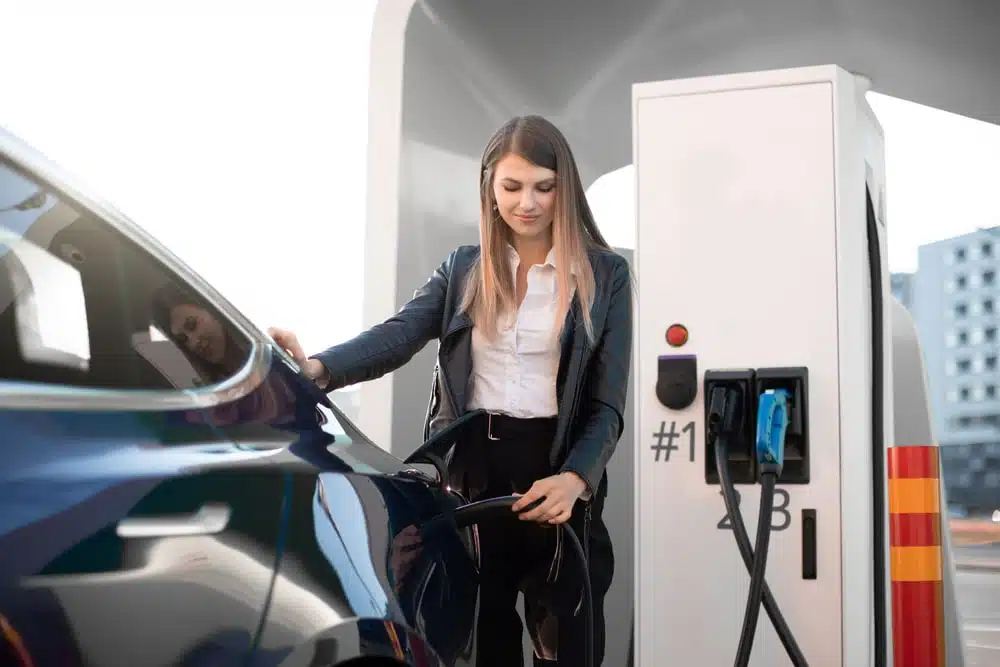
Sales of electric vehicles (EVs) in Australia are booming, accounting for one in five new cars sold. With a growing range of EV makes and models on offer, it’s now easier and more affordable than ever for Australians to make the switch.
Having the right insurance is essential, but not all policies are the same, especially when it comes to covering the specialised needs of an EV. Comparing your options can help you find a policy that fits your EV and your budget.
What does insurance for an electric car cover?
EV car insurance isn’t a separate product, meaning your electric car will be covered under the same types of car insurance available for petrol and diesel vehicles.
In Australia, the main insurance options are:
- Third-party car insurance: this includes third party property damage (TPPD) and, with some insurers, third party fire and theft (TPFT) cover. TPPD provides basic protection, covering damage you cause to someone else’s vehicle or property, but not your own. TPFT adds limited cover for your own vehicle if it’s stolen or damaged by fire, but still won’t cover accidental damage you cause to your own EV.
- Comprehensive insurance: comprehensive cover offers the broadest level of protection. It covers accidental damage to your EV, as well as theft, fire, vandalism and certain weather-related events. You’ll also typically have access to optional extras such as windscreen replacement, roadside assistance, and more.
Note that some insurers may only offer comprehensive cover for electric vehicles due to their higher upfront cost and specialised repair needs.
Is EV charging equipment included under a car insurance policy?
Many comprehensive car insurance policies include cover for EV-specific equipment, though this varies between insurers. Cover may extend to:
- Home wall chargers and charging cables
- Charging accessories kept in or with the vehicle
- Damage caused by battery issues such as thermal runaway
However, it’s important to read the Product Disclosure Statement (PDS) carefully to see what’s included, as cover for charging equipment is not always standard. If you’ve installed a home charging unit, you may also need to consider whether it’s covered under your home insurance policy.
Why compare car insurance policies through Savvy?
How much is car insurance for an electric car?
The cost of insuring an electric car can vary significantly depending on the model, insurer and level of cover.
To give an idea of what EV drivers might pay, the table below shows a range of annual premiums available through Savvy for third-party property damage and comprehensive cover for some popular electric vehicles.
Source: Compare the Market, June 2026. Quotes are based on 2026 vehicle models for a 35-year-old male driver in Sydney with a full licence and no claims history, driving 15,000 km per year and selecting a $700 excess.Tesla Model Y
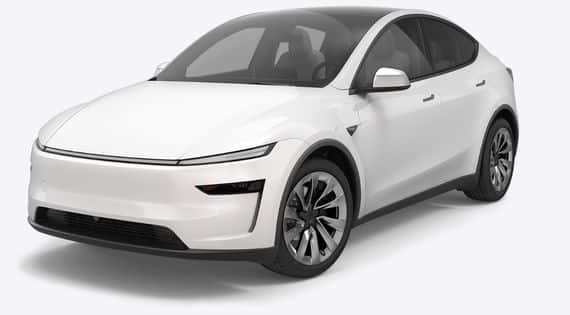
Third-party cover
Comprehensive cover
$530 – $1,563
$3,763 – $6,485
BYD Atto 2
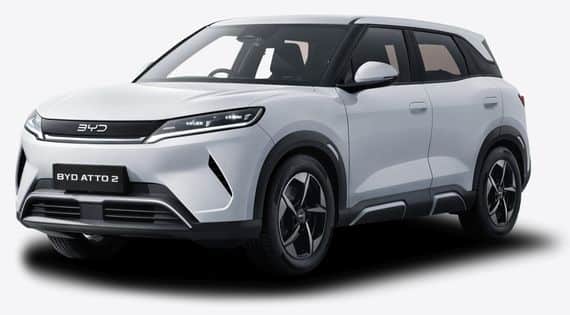
Third-party cover
Comprehensive cover
$478 – $562
$1,740 – $2,637
Polestar 2
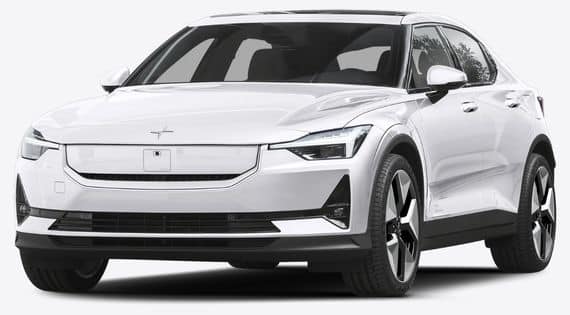
Third-party cover
Comprehensive cover
$410 – $482
$2,136 – $5,256
BMW i4
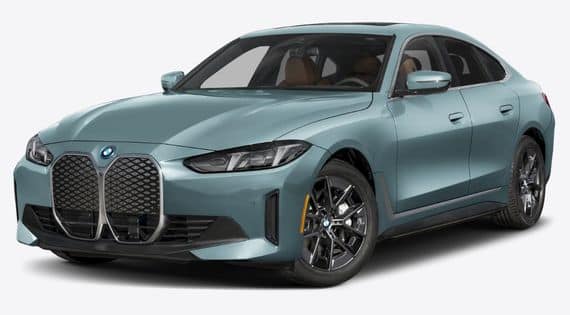
Third-party cover
Comprehensive cover
$366 – $431
$2,161 – $7,425
Kia EV5
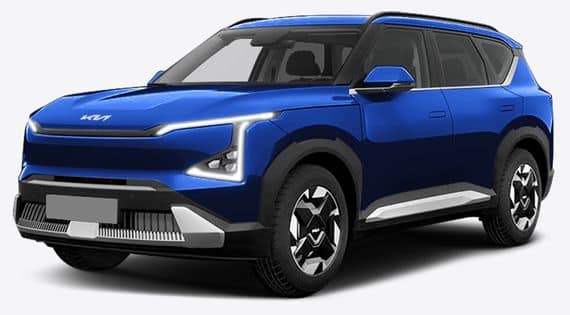
Third-party cover
Comprehensive cover
$380 – $448
$2,014 – $4,050
The table shows how much premiums can vary, even for the same car and driver profile. In some cases, the highest quote can be more than double the lowest, highlighting why it’s worth comparing policies rather than assuming EV insurance will cost the same across insurers.
Premiums are also influenced by:
- Personal profile: insurers consider factors such as the driver’s age, location, licence type, driving history and claims history. A driver with a clean record may receive a different quote to someone with previous claims.
- How the car is used: premiums can change depending on how many kilometres the car is driven each year, where it is parked overnight and whether it is used for personal driving only or for business purposes.
- Excess: the excess is the amount the driver agrees to pay if they make a claim. Choosing a higher excess can lower the annual premium, but it also means paying more out of pocket if something happens.
Why are EVs more expensive to insure?
EVs are often more expensive to insure than their ICE equivalents.
Analysis from CHOICE found electric vehicle owners pay close to 40% more for cover than petrol car owners, with average annual premiums sitting at $2,545 for EVs against $1,702 for petrol vehicles, a gap of roughly $843 a year.
Comparisons of specific models support this. For example, the Kia EV5, a mid-size electric SUV, has an average annual premium of $3,065, compared with $2,248 for a similar petrol equivalent, the Kia Sportage, based on premiums sourced through Compare the Market in June 2026.
The higher premiums come down to insurers pricing in more than just the chance of a crash. They also take into account:
- Higher vehicle values: EVs often have a higher purchase price than comparable petrol or diesel models, which means they can cost more to replace if they are stolen or written off.
- Expensive batteries and electronics: the battery is one of the most expensive parts of an EV. Even when crash damage looks minor, insurers may need to assess whether the battery pack or high-voltage system has been affected, which can increase repair costs.
- Specialist repairs: EVs require technicians trained to work with high-voltage systems. Not every repairer can work on them, which can limit repair options and push up labour costs.
- Parts availability: some EV parts may need to be imported or sourced through a smaller supply chain. This can make repairs more expensive and take longer.
- Greater write-off risk: if an EV is expensive to repair, parts are delayed, or there are concerns about battery damage, insurers may be more likely to write it off rather than repair it.
- Smaller second-hand market: there are still far fewer used EVs on the market than used petrol or diesel cars. This makes it harder for insurers to value a written-off EV accurately, and harder for the owner to find a similar replacement. Depending on the policy, the owner may be offered new-for-old replacement cover instead of a market-value payout.
While EV insurance may currently be pricier across the board, you can still save on your insurance by comparing quotes from different providers.
How to insure your EV through Savvy
-
Start your application
Provide information about yourself, your EV and your driving history.
-
Access your quotes
Compare a range of quotes from partnered insurance providers.
-
Purchase your policy
Choose your policy and get cover for your EV in minutes.