
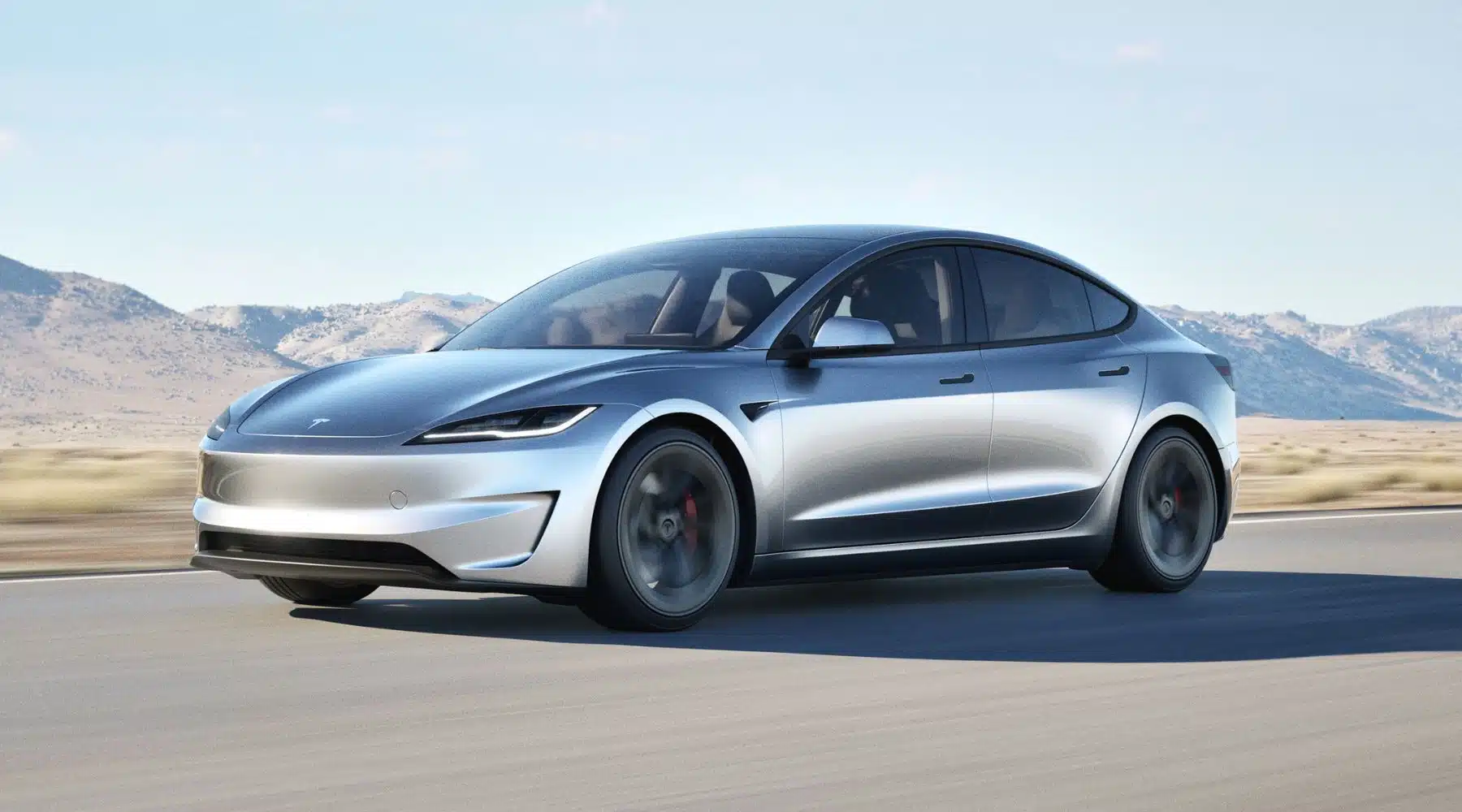


The Australian Government announced on Monday that the current fringe benefits tax (FBT) exemption on electric vehicles financed via a novated lease would be partially rolled back, following a lengthy review after its cost ballooned out to as much as 15 times its budgeted sum.
The move would initially only impact vehicles priced between $75,000 and the luxury car tax (LCT) threshold of $91,387, which would be subject to a 25% FBT discount from April 2027, but it’ll eventually apply to all EVs from April 2029.
So, what does this mean if you’re looking at a novated lease for an electric car?
FBT exemption change timeline
- No change to current FBT rules before 1 April 2027.
- April 1 2027: all EVs priced at $75,000 or more subject to 25% FBT discount. All EVs below $75,000 remain FBT-free. All EVs priced above $91,387 subject to current FBT rules.
- April 1 2029: all EVs priced at or below $91,387 subject to 25% FBT discount. All EVs priced above $91,387 subject to current FBT rules.
FBT: a quick rundown
FBT is a tax charged on fringe benefits provided by businesses to their employees, which most commonly comes in the form of novated leasing.
Travel allowances, car parking or gym memberships are all other examples of fringe benefits provided by employers to their workers.
FBT is charged based on the value of the benefits provided and is payable by employers, which in turn is passed on to the employee receiving the benefit.
In the case of salary sacrificing for a car, FBT is currently payable on novated leases for all vehicles except EVs priced below the LCT threshold and must be paid out of your post-tax income.
This means that, currently, EVs priced below the threshold attract no FBT and don’t require you to make any post-tax contributions.
Without any post-tax obligations, 100% of your novated lease payments can be paid out of your pre-tax salary, driving it down further to maximise your income tax savings.
How the FBT exemption changes work and what they’ll cost you
It’s important to note that the 25% discount applies to your payable FBT, not the post-tax contributions you’re required to pay as part of your novated lease.
This means that if you decide to lease an EV priced below the LCT threshold after March 31 next year, you still wouldn’t need to make any post-tax contributions.
Instead, the total amount being paid out of your pre-tax salary will be greater to cover the cost of your vehicle and expenses.
The impact of this will ultimately depend on your income tax bracket, as you can see for the following example of a 2026 Tesla Model 3 Performance (priced at $80,900):
| Income tax bracket | GST savings | PAYG savings | Net cost per pay | Net cost increase |
|---|---|---|---|---|
| 30% | $45.23 | $202.35 | $426.92 | $113.92 |
| 37% | $45.23 | $249.57 | $379.71 | $66.71 |
| 45% | $45.23 | $303.53 | $325.75 | $12.75 |
| Calculations based on a 2026 Tesla Model 3 Performance driven 15,000km per year by an employee earning a salary of $100,000. Residual of 28.13%. Net cost increase based on net cost of $313.00 applicable under current FBT rules for the same vehicle. Quotes may differ based on factors like model of car, salary and usage. | ||||
Those in the 30% tax bracket will be hit the hardest, increasing the amount they have to pay each week by almost $114 to gain the benefit of their novated lease based on this example.
For those in the highest tax bracket of 45%, the difference will only add up to less than $13 per week.
When you extrapolate these numbers out over 12 months, you can see just how much someone in the 30% tax bracket would be paying each year.
| Leasing date | Vehicle base value | Annual pre-tax benefit | Annual FBT payable | Annual spend | Annual savings |
|---|---|---|---|---|---|
| Pre-April 2027 | $78,848.92 | $23,511.80 | $0 | $23,511.80 | $11,262.76 |
| April 2027 onwards | $78,848.92 | $23,511.80 | $11,563.51 | $35,074.31 | $12,874.25 |
| Calculations based on a 2026 Tesla Model 3 Performance driven 15,000km per year by an employee earning a salary of $100,000. Residual of 28.13%. Quotes may differ based on factors like model of car, salary and usage. | |||||
A further outlay of $11,500 per year under the new system would only help you bump your savings up by around $1,600, a target which may not be achievable for lower-income families.
This would see the choice between an EV and internal combustion engine (ICE) vehicle go head-to-head, as neither is incentivised greatly over the other.
An additional byproduct of the exemption changes is the likely shift towards cheaper electric models, such as those from prominent Chinese manufacturers like BYD, Chery, GWM and MG, which will be FBT-free until the final April 2029 deadline.
Why it’s important to get your novated lease before April 2027
The reason why April 2027 is so important is because it’s the cut-off for taking out a novated lease for an EV priced above $75,000 that’s fully exempt from FBT, after which your choices become more limited.
“Once you take out your novated lease, your tax benefits will be locked in for the full length of the term,” Adrian Taylor, General Manager of Savvy Benefits, explained.
“For instance, if your novated lease for a Model 3 Performance is secured on 31 March, you’ll be able to pay it off FBT-free until the end of your term.
“By delaying by just one day and starting your lease on April 1, the amount you’ll have to contribute out of your net costs per pay will be significantly greater.
“The challenge for those in the industry now shifts from awareness to breaking down the complexities of the product to help people make informed decisions.”