

Third party property damage (TPPD) insurance is a lower-cost, optional policy that covers you against damage your vehicle causes to other people's cars or property. It's the most basic level of optional car insurance available in Australia, often chosen for older or lower-value cars where higher-tier cover may not feel worth the extra cost.
What is third party property damage insurance?
TPPD cover is the most basic form of optional car insurance. It’s designed to cover the cost of damage your car causes to someone else’s vehicle or property when you’re at fault, rather than damage to your own car.
Because the cover is narrower, TPPD is cheaper than other types of car insurance and can suit drivers who want protection against potentially expensive third party damage without paying to insure their own vehicle.
Is TPPD the same as CTP insurance?
No, although both have “third party” in the name, TPPD and Compulsory Third Party (CTP) insurance are two completely different types of cover.
TPPD is optional and covers damage your car causes to other vehicles or property. CTP is mandatory in every state and territory and covers the cost of compensation for personal injuries caused by a car accident.
CTP is linked to the vehicle’s registration, while TPPD is a policy taken out by a policyholder for a specific listed vehicle. Depending on where you live, CTP may be included with your registration or purchased separately.
What does third party property damage insurance cover?
Third party property damage insurance is primarily designed to protect you against the cost of damage your car causes to someone else’s vehicle or property. Cover can include:
- Damage to other vehicles or property: covers your legal liability when your car causes damage to another person’s car or property. Liability limits vary between insurers, with some policies providing up to $20 million in cover.
- Damage caused by an uninsured driver: some policies provide limited cover for your own car if another driver is entirely at fault and uninsured. You’ll usually need to provide their details, and a limit applies. For example, AAMI and NRMA currently offer up to $5,000.
- Other drivers using your car: your cover may extend to other people who drive your car with permission, although additional excesses or restrictions can apply.
- Use of a temporary substitute car: some policies extend your third party liability cover when you temporarily drive another car because yours is unavailable, subject to policy conditions.
Roadside assistance may also be available as an optional extra, depending on the insurer.
What’s not covered under third party property damage insurance?
The trade-off for cheaper, more limited cover is that TPPD provides very little protection for your own car. It won’t normally cover:
- Damage to your car when you cause an accident
- Theft of your car
- Fire or weather damage to your car
- Towing or emergency repairs for damage to your own car
- A hire car while yours is being repaired
- Personal belongings damaged or stolen from your car
Exact inclusions, exclusions and limits vary between insurers, so check the PDS before taking out a policy.
TPPD vs TPFT car insurance
If you want a little more protection for your own car, some insurers offer third party fire and theft (TPFT) cover. This sits one step above TPPD and includes the same basic protection for damage you cause to other vehicles or property, while also providing limited cover if your own car is stolen or damaged by fire.
Because it offers broader protection, TPFT is usually more expensive than TPPD but cheaper than comprehensive insurance. It can be a middle-ground option if TPPD feels too limited but you don’t need the broader protection of comprehensive cover.
How much does third party property damage car insurance cost?
TPPD car insurance will almost always be cheaper than other levels of car insurance as it offers a lower level of protection, especially when compared to the broader coverage offered by comprehensive car insurance policies.
However, how much you will pay varies depending on the car you drive and your personal circumstances.
To give you an idea of what TPPD might cost, we looked at quotes for ten-year-old versions of some popular used cars, reflecting the types of vehicles where drivers may be more likely to consider lower-cost third party cover.
Ute Midsize SUV Small car All quotes were sourced from Compare the Market in August 2026. Quotes based on a 30-year-old male driver in Adelaide with a full licence and no previous claims. The vehicle is used for private purposes, driven 15,000 km per year and kept in a garage overnight. A standard excess of $600 applies.Ford Ranger Wildtrak
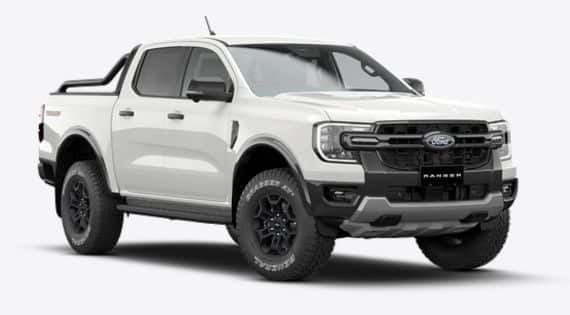
Annual premium range
Average annual premium
$887 – $1,044
$964
Toyota RAV4 GX
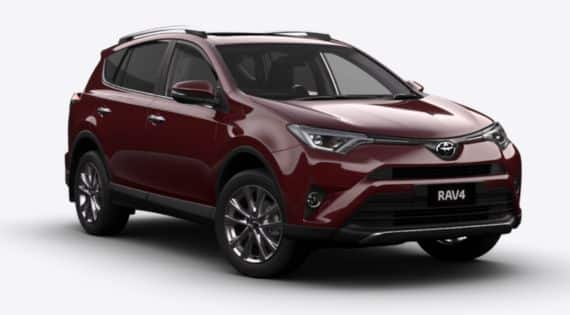
Annual premium range
Average annual premium
$702 – $932
$820
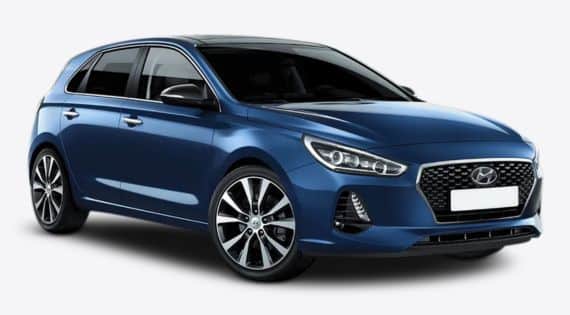
Hyundai i30 Active
Annual premium range
Average annual premium
$586 – $931
$745
How does TPPD compare with comprehensive insurance?
TPPD is usually much cheaper than comprehensive insurance because it provides far less protection for your vehicle. For the same cars and driver profile above, comprehensive quotes were considerably higher:
| Vehicle | Average TPPD premium | Average comprehensive premium |
|---|---|---|
| Ford Ranger Wildtrak | $964 | $3,989 |
| Toyota RAV4 GX | $820 | $2,948 |
| Hyundai i30 Active | $745 | $2,476 |
| All quotes were sourced from Compare the Market in August 2026. Quotes based on a 30-year-old male driver in Adelaide with a full licence and no previous claims. The vehicle is used for private purposes, driven 15,000 km per year and kept in a garage overnight. A standard excess of $600 applies. | ||
Across these examples, TPPD cost roughly a quarter to a third as much as comprehensive cover for the same vehicle.
Your own premium may be very different. Insurers also consider factors such as your age, location, driving history, annual kilometres and how the car is used when calculating the price, which all play a part in the premium you are offered.
Pros and cons of TPPD car insurance
Pros
-
Cheaper than broader cover
TPPD is usually less expensive than comprehensive insurance because it provides a much narrower level of protection.
-
Can suit lower-value cars
If your car isn’t worth much, you may decide it isn’t worth paying for comprehensive cover while still wanting protection against damage you cause to others.
-
May cover other drivers
Your policy may extend to other people who drive your car with permission, although conditions and additional excesses can apply.
Cons
-
Little protection for your own car
TPPD mainly covers damage you cause to other vehicles or property, so you could have to pay for repairs or replacement of your own car yourself.
-
May not meet lender requirements
If your car is financed, your lender may require comprehensive insurance while the vehicle is being used as security.
-
No replacement transport if your car is damaged
If your car needs repairs or is written off after an accident you caused, you may be left without a vehicle and have to arrange alternative transport yourself.
Is third party property damage car insurance worth it?
Basic third party car insurance can be a worthwhile and budget-friendly option, but only if you're comfortable with the level of risk it carries. It only covers damage you cause to other people’s vehicles and property, not your own, so if your car is stolen or written off in an at-fault accident, you’ll need to cover the cost of repairs or replacement yourself.
As a result, it’s most commonly used for older or lower-value vehicles that you could afford to pay for out of pocket. It’s also a popular choice for younger drivers or those on a tight budget, thanks to its lower premiums compared to comprehensive insurance.
However, third-party insurance might fall short if:
- You rely on your car for work or regular travel and would need a replacement vehicle straight away if something happened.
- Your car is still relatively new, high in value, or expensive to replace, such as electric vehicles, which can come with higher repair and replacement costs.
- You want cover for a range of damage and scenarios.
- You’d struggle financially to cover unexpected repair or replacement costs.
If this is the case, TPFT or comprehensive cover would offer more protection, and can save you money and stress in the long run if something goes wrong.
Why compare car insurance policies through Savvy?
How to get third party property damage car insurance
-
Fill out the online form
Enter details about yourself, your driving history and your car.
-
Review your options
Compare TPPD plans from a range of insurers.
-
Choose your TPPD policy
Pick the TPPD plan that suits your needs and get covered straight away.
Types of car insurance



Compulsory third party (CTP)
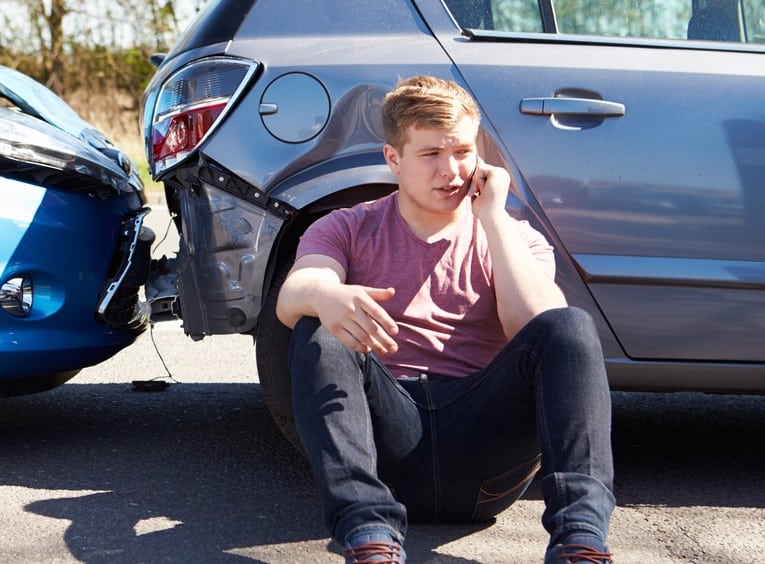
CTP insurance is the only mandatory type of car insurance in Australia. It covers injuries or death caused to others in an accident but not damage to property, other vehicles or the driver’s own injuries or vehicle.
Compulsory third party (CTP)
CTP insurance is the only mandatory type of car insurance in Australia. It covers injuries or death caused to others in an accident but not damage to property, other vehicles or the driver’s own injuries or vehicle.